
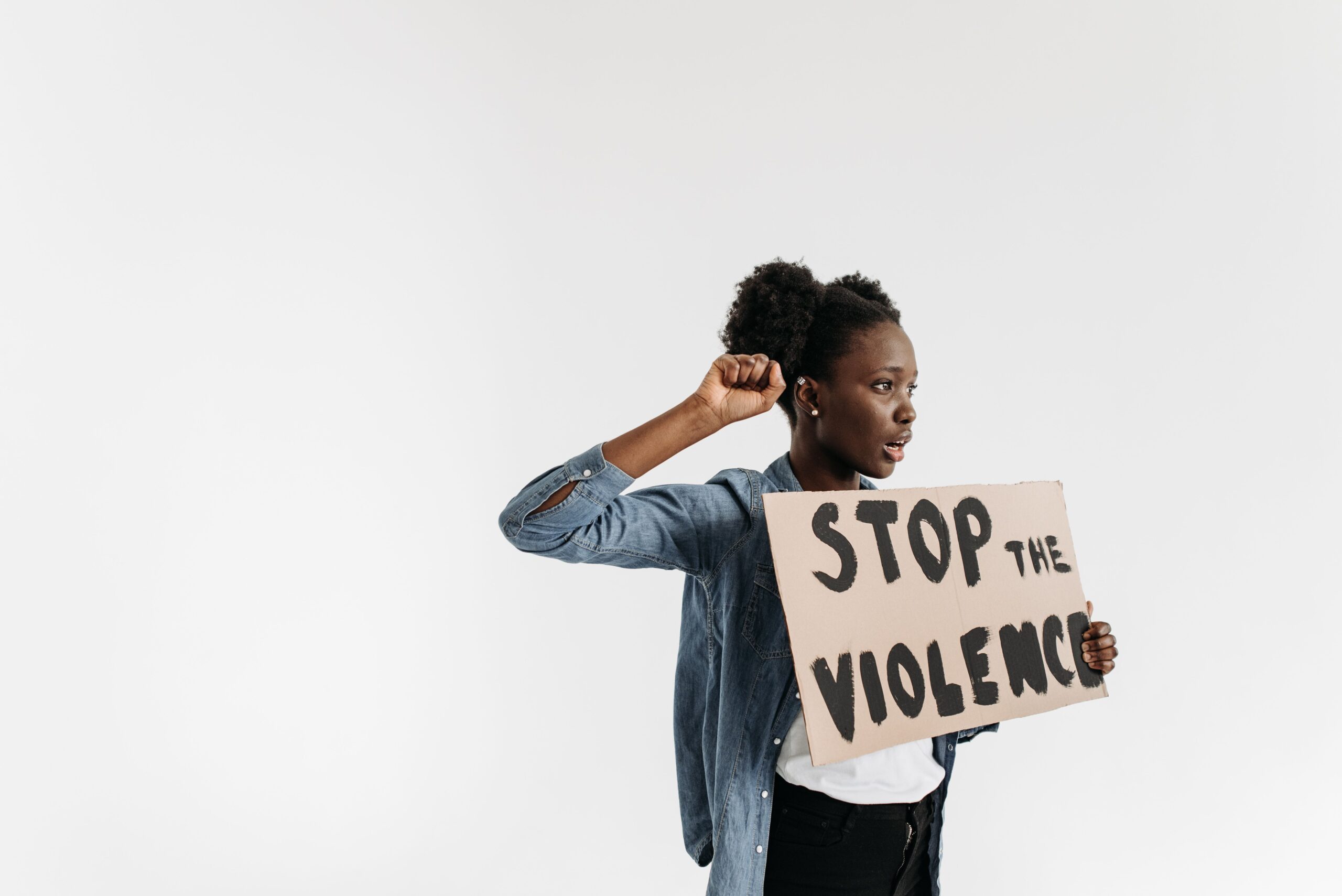
The deaths of eight women currently being investigated in Ekurhuleni have reignited fear and anger across South Africa. While authorities are investigating possible connections between the cases, police have not confirmed that the deaths are the work of a serial killer or a single perpetrator.
Amid the speculation and distress, one thing remains painfully clear: South Africans need to know where they can turn when they feel unsafe, experience abuse or need urgent assistance.
041Online has compiled this cut-out-and-keep guide to emergency, gender-based violence and mental-health support available nationally and in Nelson Mandela Bay.
Save it, screenshot it or share it with someone who may need it.
If you are in immediate danger
Call:
- SAPS emergency line: 10111
- Emergency services from a cellphone: 112
- Ambulance and fire services: 10177
If it is safe to do so, move to a police station, hospital, neighbour’s home, shop or another populated place.
If your phone or internet activity is being monitored, use a trusted person’s device to seek assistance where possible.
National Gender-Based Violence Command Centre
The Gender-Based Violence Command Centre operates 24 hours a day and provides counselling, information and referrals to relevant services.
- Toll-free number: 0800 428 428
- Free “Please Call Me”: *120*7867#
The service is available to people experiencing gender-based violence as well as family members or friends seeking help on someone’s behalf.
Shelter assistance
The National Shelter Movement can connect survivors of domestic violence with shelters and other forms of support across South Africa.
- National 24-hour shelter helpline: 0800 001 005
You do not have to wait until the abuse becomes physical before asking for help. Threats, intimidation, stalking, sexual coercion, controlling access to money, isolating someone from family and friends, and preventing someone from leaving can all be forms of abuse.
Local assistance from Yokhuselo Haven
Yokhuselo Haven provides a safe space and support for women and children affected by domestic violence in Nelson Mandela Bay.
The Haven assists women as they move from crisis towards safety and independence, including access to shelter, guidance and support.
- Call or WhatsApp: 076 312 7730
- Email: office@yokhuselo.co.za
- Website: Yokhuselo Haven
For the safety and privacy of residents, contact the organisation directly for assistance rather than arriving at its premises without prior arrangements.
Read more about the organisation’s work and the recent community support it received: Voice of Courage Fashion Show raises R66,600 for Nelson Mandela Bay charities.
Help following sexual assault
The Thuthuzela Care Centre at Dora Nginza Hospital offers coordinated assistance to survivors of sexual violence.
Support may include medical care, counselling, the collection of forensic evidence and assistance with the reporting process.
- Thuthuzela Care Centre at Dora Nginza Hospital: 041 406 4112
Seek medical assistance as soon as possible. If you can, avoid bathing, washing your clothing or changing clothes before receiving medical care, as this may help preserve evidence.
However, you can still seek help even if you have already washed or changed. What happened was not your fault, and you deserve care regardless of whether you decide to report the assault immediately.
If someone goes missing
There is no waiting period for reporting a missing person in South Africa. You do not have to wait 24 hours.
Go to the nearest police station immediately and:
- Complete a SAPS 55(A) form.
- Take a recent, clear photograph of the missing person.
- Provide a description of what they were wearing and where they were last seen.
- Obtain the case number.
- Request the name and contact details of the investigating officer.
- Keep police informed when new information becomes available.
Additional contacts:
- Crime Stop: 08600 10111
- National Bureau for Missing Persons: 012 393 2002
- Missing Children South Africa’s 24-hour emergency number: 072 647 7464
Mental-health and emotional support
Experiencing abuse, violence or the disappearance of a loved one can have a significant emotional impact. You do not need to wait until you feel unable to cope before seeking support.
- SADAG Suicide Crisis Helpline: 0800 567 567
- SADAG daytime support, 8am to 8pm: 0800 212 223
- SADAG night-time support, 8pm to 8am: 0800 121 314
- SADAG SMS support: 31393
- Lifeline South Africa: 0861 322 322
For additional local services, read 041Online’s guide to free mental-health resources in Nelson Mandela Bay.
You can also read: Suicide Prevention Month: Why we need to check on the people who seem fine.
How to support someone experiencing abuse
If someone tells you that they are being abused:
- Believe them.
- Listen without blaming or judging them.
- Do not confront the alleged abuser yourself.
- Ask what support they need instead of making decisions for them.
- Help them contact a shelter, police station or support service.
- Respect that leaving an abusive relationship can be dangerous and may require careful planning.
- Continue checking in, even if they are not ready or able to leave immediately.
Statements such as “Why didn’t you leave?” place responsibility on the survivor. The responsibility for abuse always belongs to the person choosing to abuse.
Safety is not solely women’s responsibility
Women are frequently told to change their routes, watch what they wear, avoid going out alone, share their locations and remain constantly alert. While access to emergency information can help someone in a crisis, preventing violence cannot be treated as women’s responsibility.
The responsibility lies with perpetrators who choose to harm, abuse and control. It also lies with authorities, institutions and communities to take reports seriously, investigate effectively, hold perpetrators accountable and create public spaces in which women are genuinely safe.
This guide is not a list of things women must do to avoid violence. It is a resource for anyone who needs help and for every person who may one day need to help someone else.
Save it, share it and use it to support those around you.
Contact details were verified and correct at the time of publication. Helpline numbers and operating information may change. If a listed service cannot be reached and someone is in immediate danger, call 112 from a cellphone or SAPS on 10111.





Leave a Reply