
Baywest Mall is heading into 2026 off the back of a busy festive season and rising foot traffic, and while a mall upgrade might sound like retail business as usual, the ripple effects stretch far beyond shopping.
With a 6% growth in footfall recorded over the holidays, Nelson Mandela Bay’s largest shopping centre is preparing for a revamp in the first half of the year. It is a move that quietly signals how the city’s social and economic habits are shifting.
More than a facelift
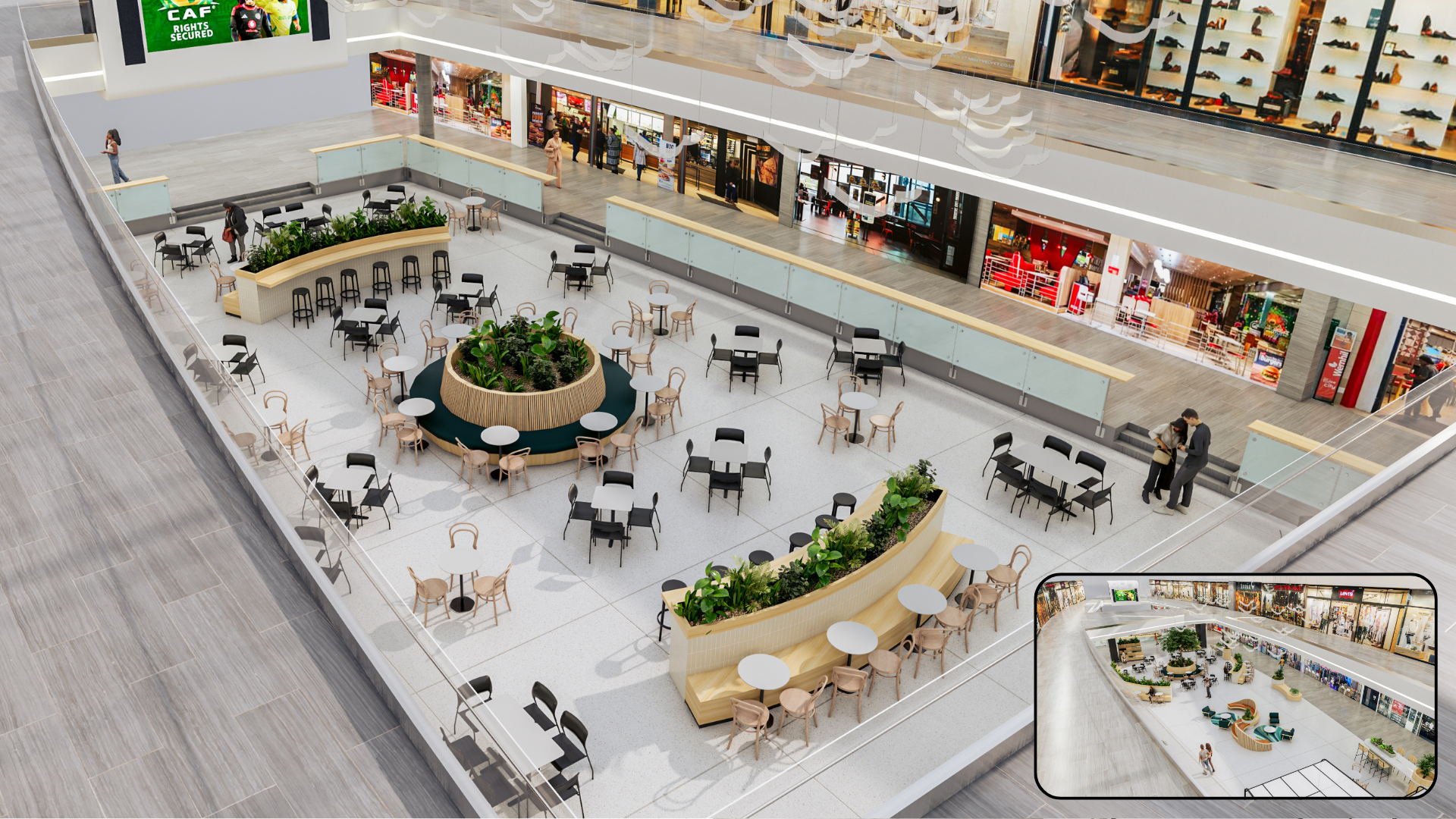
The planned upgrades include refreshed entrances, improved lighting, and redesigned shared spaces, particularly the food court and central court areas. The real change, however, is how these spaces are expected to be used.
Hot desks, pause areas and expanded seating point to a mall that is increasingly functioning as a third space. Not quite home, not quite work, but somewhere people can exist for longer stretches of the day.
For a city where load shedding, remote work and limited public workspaces remain part of daily life, access to free Wi-Fi, safe seating and climate-controlled environments matters more than it used to.
Foot traffic equals economic gravity
The arrival of the Department of Home Affairs at Baywest has already increased weekday footfall by 6%, drawing residents from across the metro into the area. When TP Communications moves in during May 2026, an estimated 800 additional workers will pass through the mall daily.
That level of movement has knock-on effects:
- More consistent trade for retailers
- Increased demand for transport routes and services
- Greater visibility for businesses operating in and around the mall
In a metro still working to stabilise employment and foot-traffic-driven economies, this kind of growth is significant.
A shift in how families spend time
Baywest Mall has long positioned itself as an entertainment hub, anchored by cinemas, play parks and activity-based attractions. Over the past 18 months, that offering has expanded further, and the upcoming revamp reinforces the trend of destination-based outings rather than quick shopping trips.
For families, especially those travelling from outside the immediate area, this means:
- Fewer trips spread across multiple locations
- More time spent in a single, centralised space
- A mix of leisure, admin, eating and entertainment under one roof
This shift is changing how weekends, school holidays and even weekday afternoons look for many households in Nelson Mandela Bay.
A mirror of the city’s evolution
While new tenants and expanded stores often grab headlines, the bigger story is how Baywest Mall continues to reflect the city around it, adapting to remote work, mixed-use spaces and the need for safe, accessible public environments.
As investment continues and foot traffic grows, the mall’s evolution becomes part of a broader urban pattern. It shapes where people gather, how they move, and what kind of shared spaces Nelson Mandela Bay is building for its future.
For better or worse, malls like Baywest are no longer just retail centres. They are becoming social infrastructure.




Leave a Reply