
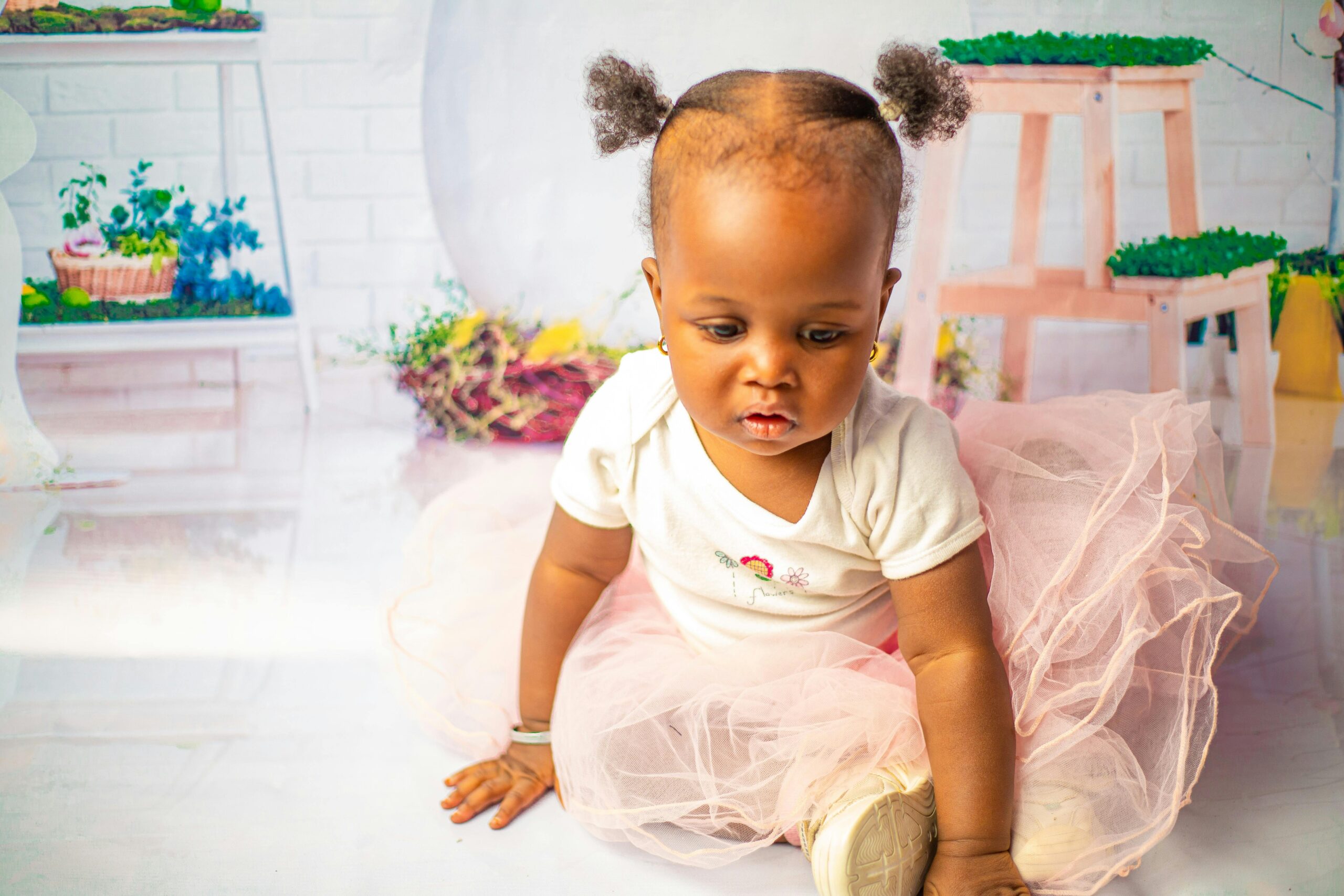
Odette Parfitt shares a candid look at potty training, the methods she tried, and the lessons learned along the way.
I’m not very good at sitting still. Actually, that’s a lie: I’m great at sitting (or lying) still,
particularly if there’s a TV involved. What I’m not good at is relaxing and being unproductive
for extended periods of time. So, as the December holiday approached, I couldn’t resist
setting one holiday goal: getting my toddler potty-trained.
The logic was sound: he was more than two and a half years old, and the daycare had already
started getting him used to doing his number-two business on a potty, and we were about to
have four uninterrupted weeks with him.
I did the research: the Internet has loads of ideas and techniques. Here’s what worked, didn’t
work, and what I ultimately learned.
Method 1: Frequency
This one is simple, you just have to take your toddler to the potty every 20–30 minutes, in
to train his brain to think that ‘bladder needs’ means’ potty’.
The result? My kid was so freaked out that it probably delayed the entire process by a week.
(In fairness, imagine how you would feel if you had to go on command three times an hour
when all you wanted to do was jump on a trampoline and watch cartoons.)
Method 2: Reverse psychology
This one was actually very effective, if unorthodox: we spent almost a full day telling him he’s
not allowed to use the potty. I have not seen pants drop that fast since the heyday of Leon
Schuster prank movies. Unfortunately, this one is by nature a short-term technique; sooner
or later, the kid will catch on.
Method 3: Relentless praise
I recommend this as a support for any potty training mission, even if it doesn’t constitute the
whole system. We printed out a reward chart with stickers, and every five stickers meant a
piece of chocolate, which caused great excitement. Perhaps not the healthiest method, but
effective. Also, keep reminding your potty training child that he/she is a “big boy” or “big girl”,
it definitely helps. (Of course, now my toddler congratulates me and calls me a big boy every
time I go to the bathroom, but at least we know our words had an encouraging effect.)
Method 4: The Accident
This was not a method that occurred to me, and if it did, I would not have used it, but it
turned out to be the breakthrough moment. My toddler had an Accident, and I don’t mean
the wet kind. This experience did more for his willingness to go potty than any of my begging
and pleading; it also marked the last time he forgot to tell us he had to go.
Lessons learned
Based on the adventure of the last month, I would give other parents in the same boat this
simple advice: don’t force anything. A toddler will not be trained until they are ready, and
when that happens, the worst thing you can do is turn a natural bodily function into a high-
stress situation. As with everything in parenting, there is no one-size-fits-all solution and trial-
And error is the only way to know what will work for your child. Just be patient, reward good
habits and forgive accidents, and somewhere along the line, the mental shift will kick in.
There is light on the other side of the potty.






Leave a Reply