
By Margo Kuselo
As South Africa marked the 50th anniversary of 16 June 1976, local writers, filmmakers, theatre practitioners and media professionals gathered in Gqeberha for In The Write Room: The Business of Creativity, an event hosted by the Nelson Mandela Bay Creative Community.
Held at the Department of Sport, Recreation, Arts and Culture (DSAC) offices in Greenacres, the event brought together creatives from across Nelson Mandela Bay to discuss storytelling, creative entrepreneurship and the realities of building sustainable careers in the arts.
The programme focused on translating the vision of the youth of 1976 into economic opportunities for today’s generation, while encouraging creatives to view their talents through both an artistic and business lens.
“Creativity is the engine, but we need the roadmap to be able to sustain it,” said Nelisa Kala from the Nelson Mandela Bay Creative Community.
Mentorship, Practice and Connection
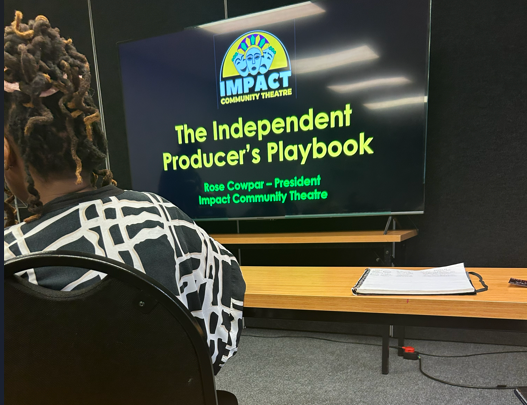
The first speaker, Rose Cowpar, President of Impact Community Theatre Company, shared the importance of building a network, forming part of creative hubs and knowing when to tap into available resources.
“You must have a tool belt,” she emphasised.
“The more tools you have in your belt, the more successful you’re going to be.”
Cowpar encouraged creatives to seek out mentorship opportunities, remain open to learning and build meaningful industry relationships that can support their professional growth.
Her presentation highlighted the value of collaboration and the role that creative communities play in helping artists navigate the challenges of the industry.
The Fundamentals of Writing for Radio
Author and award-winning playwright Nompumezo Buzani unpacked the fundamentals of writing for radio drama and reflected on how she started her journey in the industry.
In a medium where nothing is seen and everything must be created through sound, every word, pause and silence carries emotional and narrative significance.
“Each sentence that you have written must always take something home,” she noted.
Buzani also reflected on the freedoms enjoyed by today’s creatives compared to the youth of 1976.
She spoke about the ability to write freely, explore different ideas and tell stories without restrictions on creativity and imagination.
According to Buzani, the sacrifices made by previous generations gave today’s storytellers the freedom, power and access to create and share their work openly.
Storytelling as Remembrance
Next on stage was Andisiwe Rwentela, founder of GXIYA Media.
Rwentela’s presentation focused on the memory of 1976 and how storytelling serves as a vehicle for preserving identity and history.
She explored how stories carry collective memory, helping communities remember both painful and transformative moments while ensuring that important lessons are not forgotten.
Her presentation highlighted the power of storytelling as a tool for remembrance, reflection and cultural preservation.
The Realities of Film Development
Rafieka Davis of Swirlkous Films gave attendees insight into the practical realities of working within the film industry.
While creativity remains at the heart of filmmaking, Davis emphasised that sustainable creative careers require strategic thinking and strong business foundations.
She spoke about the importance of creating pitch decks, applying for funding and understanding the documentation required to move projects from concept to production.
Davis also discussed the growing role of artificial intelligence within the creative sector.
“Don’t fear AI, rather see it as a partner and collaborator for the future,” she said.
Her presentation encouraged creatives to embrace emerging technologies while continuing to develop their own unique voices and ideas.
More Than Creativity
Throughout the morning, a common theme emerged: creativity alone is not enough.
The speakers repeatedly highlighted the importance of combining talent with practical skills, industry knowledge and strategic thinking to build sustainable careers.
From theatre and radio to media and film, attendees were encouraged to see creativity not only as a passion but also as a profession that requires planning, adaptability and continuous learning.
The event also created opportunities for networking and collaboration among local creatives, reinforcing the importance of community within Nelson Mandela Bay’s growing creative sector.
Looking Ahead
As Nelson Mandela Bay continues to develop its creative economy, events such as In The Write Room play an important role in equipping emerging creatives with the tools needed to navigate the industry.
By bringing together experienced professionals and aspiring artists, the event served as both a celebration of creative expression and a practical guide to building successful careers in the arts.
Fifty years after the youth of 1976 helped shape South Africa’s future, the message from the day’s speakers was clear: creativity has power, but understanding the business behind it is what helps that creativity thrive.



Leave a Reply