
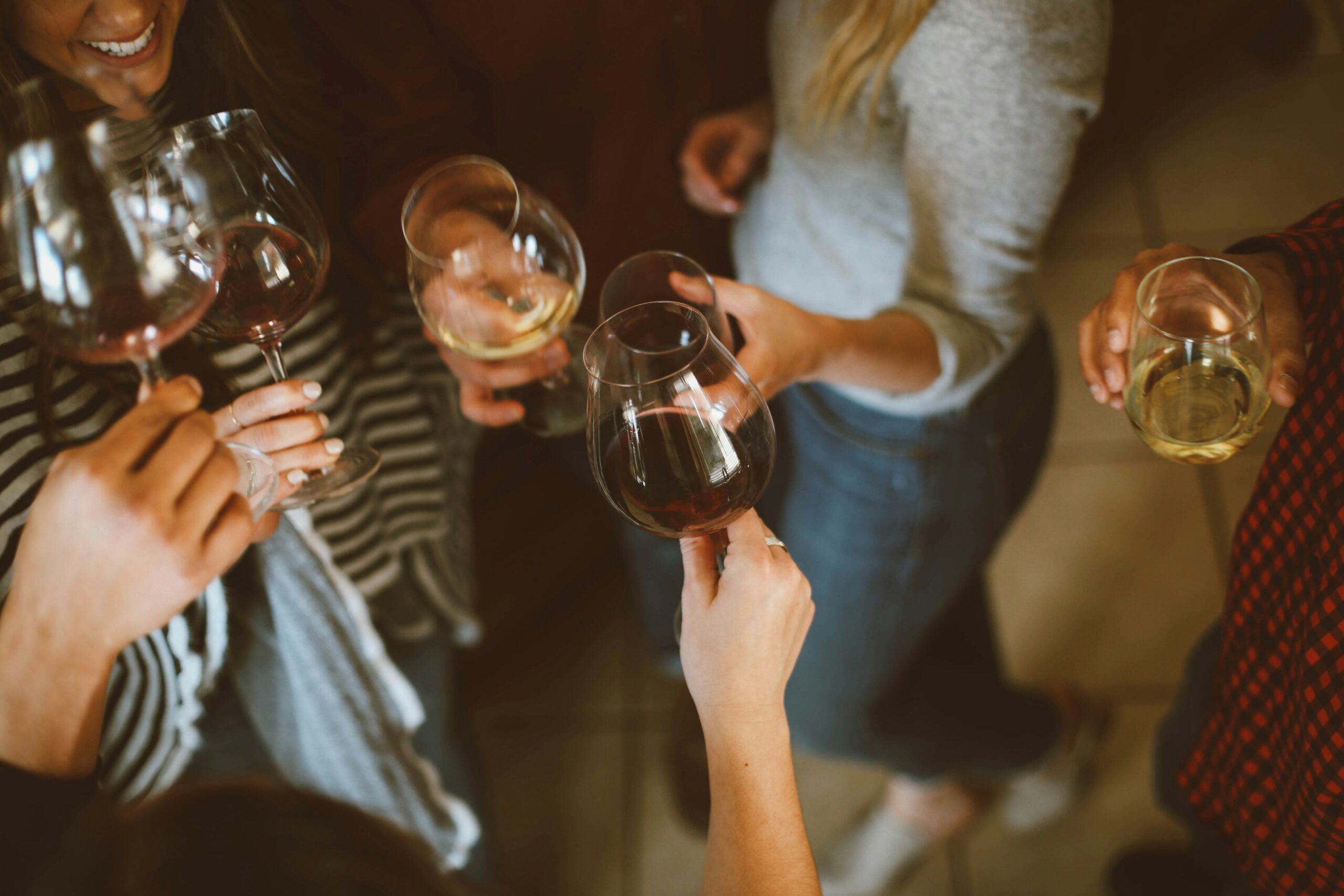
It starts with a glass at 5 pm. A “you deserve this” moment. A little ritual to soften the edges of a hard day. But for a growing number of South African women between the ages of 40 and 60, wine o’clock has quietly morphed into something far more serious.
The trend is showing up in international research and local conversations: midlife women are drinking more than their male peers, and many are doing it alone, in secret, and with increasing frequency.
“This isn’t about partying. It’s about pressure,” says Kerry Rudman, founder of Brain Harmonics, a company offering neurofeedback therapy across SA.
“We work with women who are holding everything together, careers, kids, parents, households, and alcohol becomes the only ‘off switch’ they have.”
Unlike stereotypical images of addiction, these women often look fine on the surface. They’re showing up for meetings, making school lunches, and managing families. But under the calm exterior? Burnout, anxiety, insomnia, and emotional overwhelm.
“We’re seeing more cases of women being arrested for drunk driving,” Rudman notes. “And in many instances, it’s not recklessness — it’s emotional fatigue and disconnection.”
What’s making it worse is the stigma. While men still have cultural permission to use alcohol to unwind, women are often judged for the same behaviour. They’re shamed for struggling and left without many viable alternatives.
That’s where Rudman believes the conversation needs to shift.
“We need to stop asking why women are drinking and start asking what they’re trying to survive,” she says.
“And then we need to offer real support with no shame attached.”
At Brain Harmonics, Rudman and her team use neurofeedback therapy, a drug-free, non-invasive process that helps the brain self-regulate. The goal? Better sleep, calmer reactions, improved mental clarity, and fewer stress-fuelled coping mechanisms.
“We’re not promising miracles,” she adds. “But we are saying: there is another way. You don’t have to white-knuckle your way through midlife.”
The pressure cooker faced by Gen X and older millennial women, especially in South Africa, isn’t going away anytime soon. But the more we speak up about it, the less alone anyone has to feel.
Because coping shouldn’t mean drowning. And strength shouldn’t mean suffering in silence.





Leave a Reply