
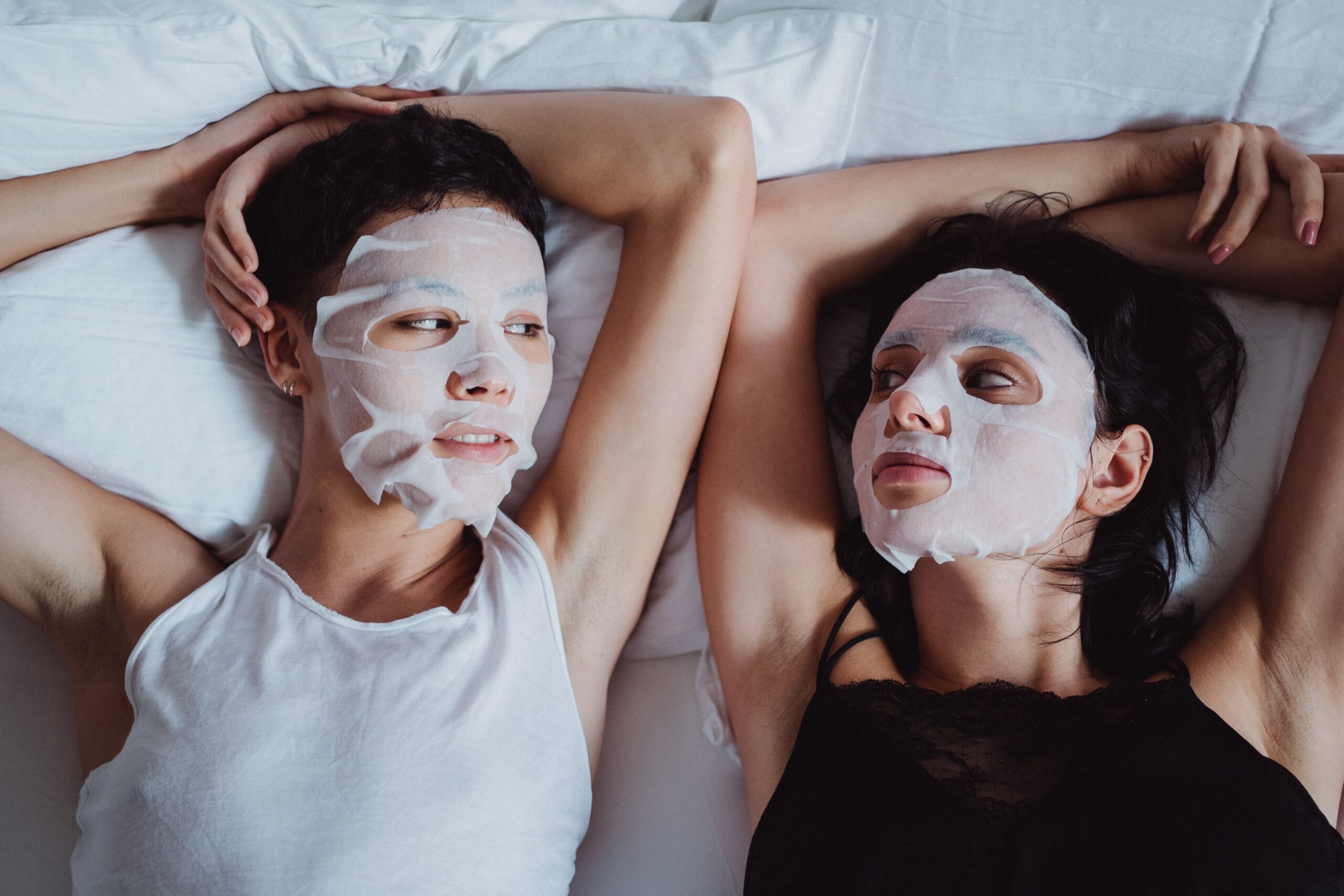
It’s Woolies Beauty Wednesday, and this week 041Online is heading into Woolies Beauty at Walmer Park to unpack the ever-growing world of beauty masks. From collagen and sheet masks to treatments for your eyes, hands and feet, what do they actually do and how often should we be using them?
There was a time when a beauty mask pretty much meant one thing: something you put on your face, left until you could barely move your mouth, and then washed off.
Things have changed.
A browse through Woolies Beauty at Walmer Park shows just how far the humble mask has come. There are masks for your face, under-eyes, hands and feet, plus collagen, hydrogel and sheet varieties promising everything from hydration to smoother-looking skin.
But do we need all of them?
For this week’s Woolies Beauty Wednesday, we’re going behind the mask to find out.
Face masks: The classic
Face masks are probably the ones most of us know.
They come in several forms, from traditional cream and clay masks to increasingly popular sheet masks soaked in serum.
The trick is choosing one based on what your skin actually needs rather than simply grabbing the prettiest packet.
Hydrating masks generally focus on adding moisture to skin that feels dry, tight or dull, while clarifying masks are typically aimed at oiliness and congestion.
A mask doesn’t need to replace your everyday skincare routine either. Think of it as an occasional extra rather than the main event.
Collagen masks: What’s the hype?
Collagen has become one of beauty’s favourite buzzwords, and collagen masks are increasingly difficult to miss.
These masks are generally marketed towards people looking for skin that appears more hydrated, plump and refreshed.
It is worth understanding what you’re buying, though. Applying collagen topically isn’t the same thing as replacing the collagen naturally found deeper within your skin.
Much of that immediate smooth, plump appearance after a mask can come from its hydrating and conditioning ingredients.
In other words, enjoy the glow, but don’t expect a sheet mask to turn back time.
Eye masks: Small but mighty
Those little crescent-shaped patches that sit underneath your eyes aren’t just there to make your morning coffee look more aesthetically pleasing.
Eye masks are generally designed to provide concentrated hydration to the delicate under-eye area.
Depending on their ingredients, they can help the area temporarily appear more refreshed and hydrated, making them particularly appealing before an event, after a long week or whenever your eyes are looking a little tired.
Some eye masks can also be kept chilled for an extra refreshing self-care moment.
Hand masks: Because skincare shouldn’t stop at your wrists
Our hands probably work harder than almost any other part of our bodies, yet they’re often forgotten when we’re doing skincare.
Hand masks usually resemble gloves and are lined with moisturising ingredients. You slip them on, leave them for the recommended amount of time and allow the product to do its thing.
They can be particularly useful when your hands feel dry or rough, especially after frequent washing, cold weather or simply neglecting the hand cream for a little too long.
And yes, they may look slightly ridiculous while you’re wearing them.
That’s part of the fun.
Foot masks: The self-care step we forget
If hands are neglected, feet may have it even worse.
Foot masks usually come in sock-like packaging and broadly fall into two camps: moisturising masks and exfoliating or peeling treatments.
Moisturising masks focus on softening and hydrating dry feet.
Peeling foot masks are different. They contain exfoliating ingredients intended to help remove dead skin, sometimes over several days, which makes reading and following the individual product instructions particularly important.
Also, perhaps don’t schedule a peeling treatment immediately before you plan on wearing your favourite open-toed shoes.
But how often should you actually use a mask?
The short answer? You probably don’t need to be masking every day.
How often you use one depends on the type of mask, its ingredients and, most importantly, what your skin actually needs.
As a general guide, hydrating face and sheet masks can often be used once or twice a week, or when your skin feels particularly dry.
Clay and clarifying masks may only be needed around once a week, especially if your skin is prone to dryness or sensitivity.
Collagen and hydrogel masks can be treated as an occasional hydration boost, while eye masks can generally be brought out whenever the under-eye area needs a little extra attention, provided the product instructions allow for it.
Hand masks can be used when your hands are feeling particularly dry, while moisturising foot masks may be useful every week or two depending on your needs.
Peeling foot masks are the exception. These aren’t something to use frequently. Follow the instructions on the specific product and give the treatment time to work before reaching for another one.
And remember, more isn’t necessarily better. If your skin feels irritated, itchy, unusually sensitive or uncomfortable after using a mask, stop using it.
So, do you need all of them?
Probably not.
And that’s actually the easiest way to navigate the mask aisle.
Rather than asking, Which masks should I own?, ask yourself, What does my skin need right now?
Dry face? Look for hydration.
Tired-looking under-eyes? An eye mask might be your pick.
Hands feeling rough? Give them some attention.
Feet desperately asking you to remember they exist? There’s a mask for that too.
Beauty doesn’t always need to involve an elaborate 12-step routine. Sometimes it’s simply about taking 15 or 20 minutes, putting your phone down, making a cup of tea and doing something that feels good.
And if you happen to look slightly terrifying in a sheet mask while doing it, even better.






Leave a Reply