
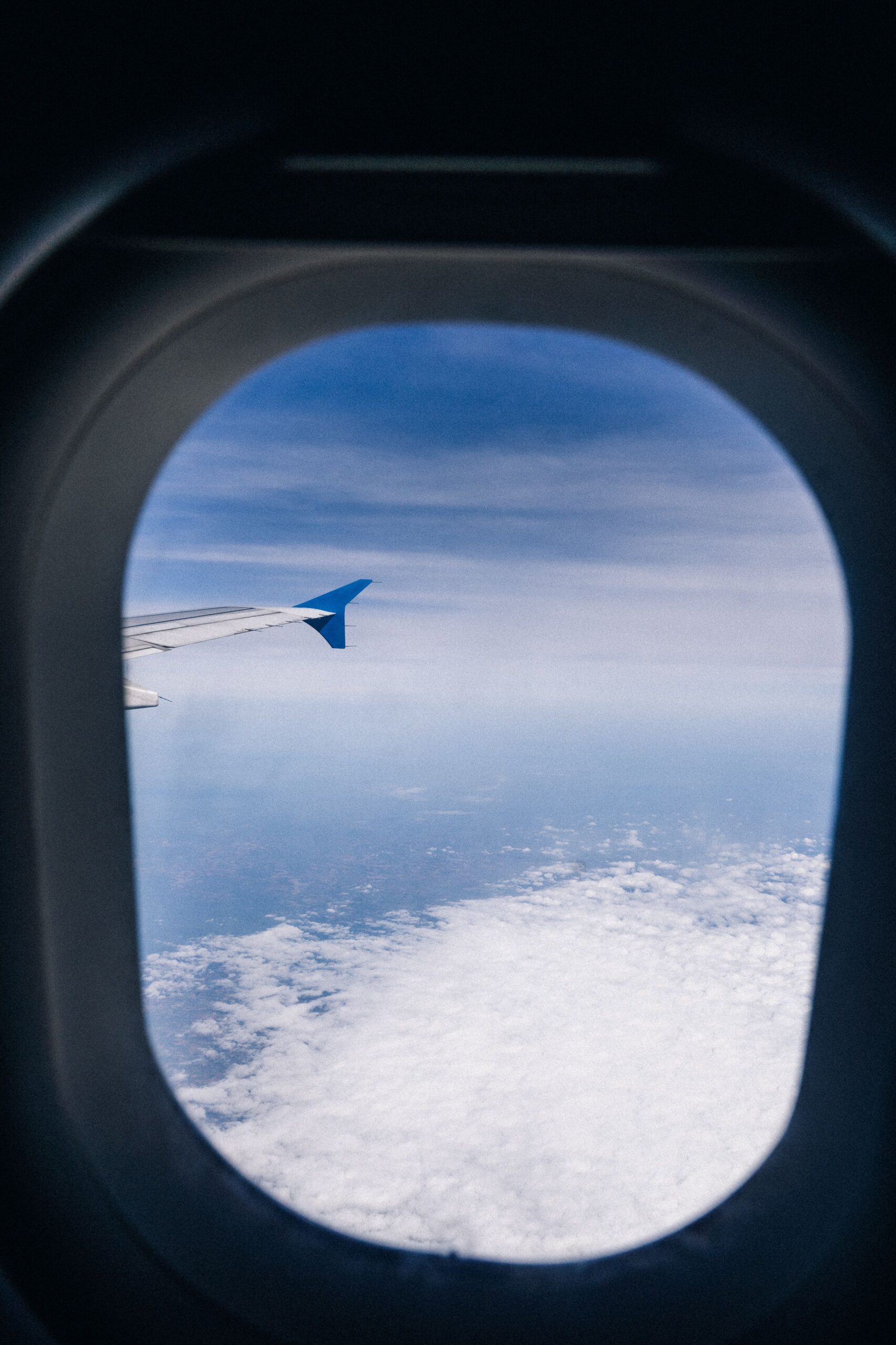
Travelling between Gqeberha and Mpumalanga is set to become easier, with a new air connection expected to strengthen tourism, business travel and economic opportunities in Nelson Mandela Bay.
Nelson Mandela Bay has welcomed a new air connection between Gqeberha and Mbombela, opening up opportunities for travellers, businesses and tourism operators in the Eastern Cape and Mpumalanga.
The route was officially launched on Monday, 16 November 2026, at Tramways in Gqeberha, with the Nelson Mandela Bay Municipality describing it as an important step towards improving regional connectivity and strengthening the Metro’s position as a gateway to the Eastern Cape.
For travellers, the connection creates new possibilities for exploring two of South Africa’s popular tourism regions, from the beaches and coastal attractions of Nelson Mandela Bay to the safari and nature experiences of Mpumalanga.
For businesses, it offers the potential for easier travel, stronger commercial relationships and greater access to regional markets.
Connecting the coast to safari country
One of the biggest opportunities presented by the route is the potential to connect Nelson Mandela Bay’s coastal tourism offering with Mpumalanga’s established safari industry.
The Municipality believes the connection could encourage tourism businesses to develop packages that allow visitors to experience both destinations during a single trip.
These could include coastal and safari itineraries, fly-drive holidays, joint destination promotions and extended regional travel experiences.
The aim is not simply to bring more visitors into Nelson Mandela Bay, but to encourage them to stay longer, explore more attractions and support local businesses.
Accommodation establishments, restaurants, tour operators, transport providers and tourist attractions could all benefit if the route attracts sustainable passenger numbers.
A boost for business and investment
Speaking at the launch, Nelson Mandela Bay Municipality Acting Executive Director Wandisile Makwabe said improved air connectivity was an important tool for economic development.
“Connectivity is fundamental to economic competitiveness. The introduction of this route creates an opportunity to strengthen the relationship between two important regional economies, while making it easier for visitors, businesses and investors to access the opportunities that exist in our respective regions.
“For Nelson Mandela Bay, this is part of a much broader ambition to grow tourism, attract investment, strengthen our manufacturing and logistics capabilities and create an environment in which businesses can expand, and employment opportunities can be generated,” said Makwabe.
The Municipality sees the new connection as part of its broader plans to attract investment, stimulate economic activity and create employment.
Nelson Mandela Bay already has several major economic assets, including its automotive and manufacturing industries, two commercial ports, Chief Dawid Stuurman International Airport and the Coega Special Economic Zone.
The Coega Special Economic Zone, covering approximately 11,500 hectares, provides opportunities for industrial development, manufacturing, logistics and investment.
Improved regional air access could help strengthen connections between these industries and businesses operating elsewhere in South Africa.
Making the new route sustainable
While the launch is being celebrated as a positive development, the Municipality acknowledges that the real challenge will be ensuring the route remains commercially viable.
Makwabe stressed that introducing a new air service is only the beginning.
“We must ensure that this route becomes commercially sustainable. Securing an air service is an important achievement, but sustaining it requires collective commitment from the airline, airport authorities, tourism industry, business community and government.
“Our immediate priority is to support passenger demand, strengthen destination marketing and ensure that Nelson Mandela Bay and the wider Eastern Cape are presented as an integrated tourism proposition,” Makwabe said.
The Municipality plans to work alongside aviation, tourism and business stakeholders to promote the route and encourage passenger demand.
This forms part of the Nelson Mandela Bay Airlift Project, established in 2018 to identify opportunities for new air routes and improve access to the region.
The project involves collaboration with organisations including Airports Company South Africa, Airlink, the Eastern Cape Development Corporation and South African Tourism.
Could more flights be on the horizon?
The Municipality hopes the Gqeberha–Mbombela connection will be one of several developments aimed at improving air access to Nelson Mandela Bay.
In the short term, the focus will be on establishing the new route, strengthening links to the Kruger and Mpumalanga tourism markets and exploring further regional connections.
Longer-term ambitions include improving access to international markets through African and international aviation hubs.
However, Makwabe emphasised that future route development must be based on genuine passenger demand and commercial viability.
“Airlines evaluate markets and catchment areas, not municipal boundaries. We must therefore position Nelson Mandela Bay as a gateway to a much wider Eastern Cape market.
“Our approach must be ambitious, but commercially realistic. The objective is not simply to announce new routes. It is to establish sustainable air services that deliver lasting economic value to our region.”
Getting Nelson Mandela Bay ready for visitors
The new air route comes as Nelson Mandela Bay prepares for the summer tourism season and major international sporting events.
Among these is the 2026 Lifesaving World Championships, scheduled to take place from 25 November to 13 December.
According to the Municipality, the event is expected to attract approximately 2,100 participants from more than 40 countries, with Kings Beach serving as the main venue and additional events taking place at Newton Park Swimming Pool.
The championships present an opportunity to showcase the region’s beaches, sporting facilities and tourism attractions to an international audience.
However, the Municipality has also acknowledged that attracting visitors is only part of the equation.
Road conditions, reliable water and electricity supply, safety, cleanliness, public amenities and well-maintained tourist areas all play a role in creating a positive visitor experience.
The Municipality says it is working with its operational departments and relevant partners to address these priorities.
Turning connectivity into opportunity
For Nelson Mandela Bay, the new route represents another step towards becoming a more accessible and competitive destination for tourism and investment.
But Makwabe says the ultimate measure of success will be whether improved connectivity translates into meaningful economic benefits for the region.
“Nelson Mandela Bay has exceptional natural, cultural, industrial and logistical assets. Our responsibility is to ensure that these strengths are supported by the infrastructure, partnerships, accessibility and visitor experience required to compete as a leading South African destination.
“We recognise the work that still needs to be done. Our focus is on addressing those challenges while building on the opportunities that exist in our city and the wider Eastern Cape.
“The Gqeberha to Mbombela route is an important step in that journey. We must now translate connectivity into visitor growth, business opportunities, investment and meaningful economic benefits for our people.”
The Municipality thanked Airlink, Airports Company South Africa, the Eastern Cape Development Corporation, South African Tourism, the Nelson Mandela Bay Business Chamber and other stakeholders involved in developing the route.
Source: Nelson Mandela Bay Municipality, 16 November 2026.




Leave a Reply