
041beauty columnist Busisiwe Nxele looks back on heritage month by highlighting beauty products that are proudly South African

As we come out of celebrating our rich diverse heritage as South Africans, one of the things that caught my eye during September Heritage Month is the natural diverse beauty we possess as South Africans. Not only do we boast a colourful array of traditional and and cultural attire, cuisine and and languages, but our beauty secrets which stem from our ancestral heritage have long been sought after, some making it to the ingredients list of big cosmetic empires.
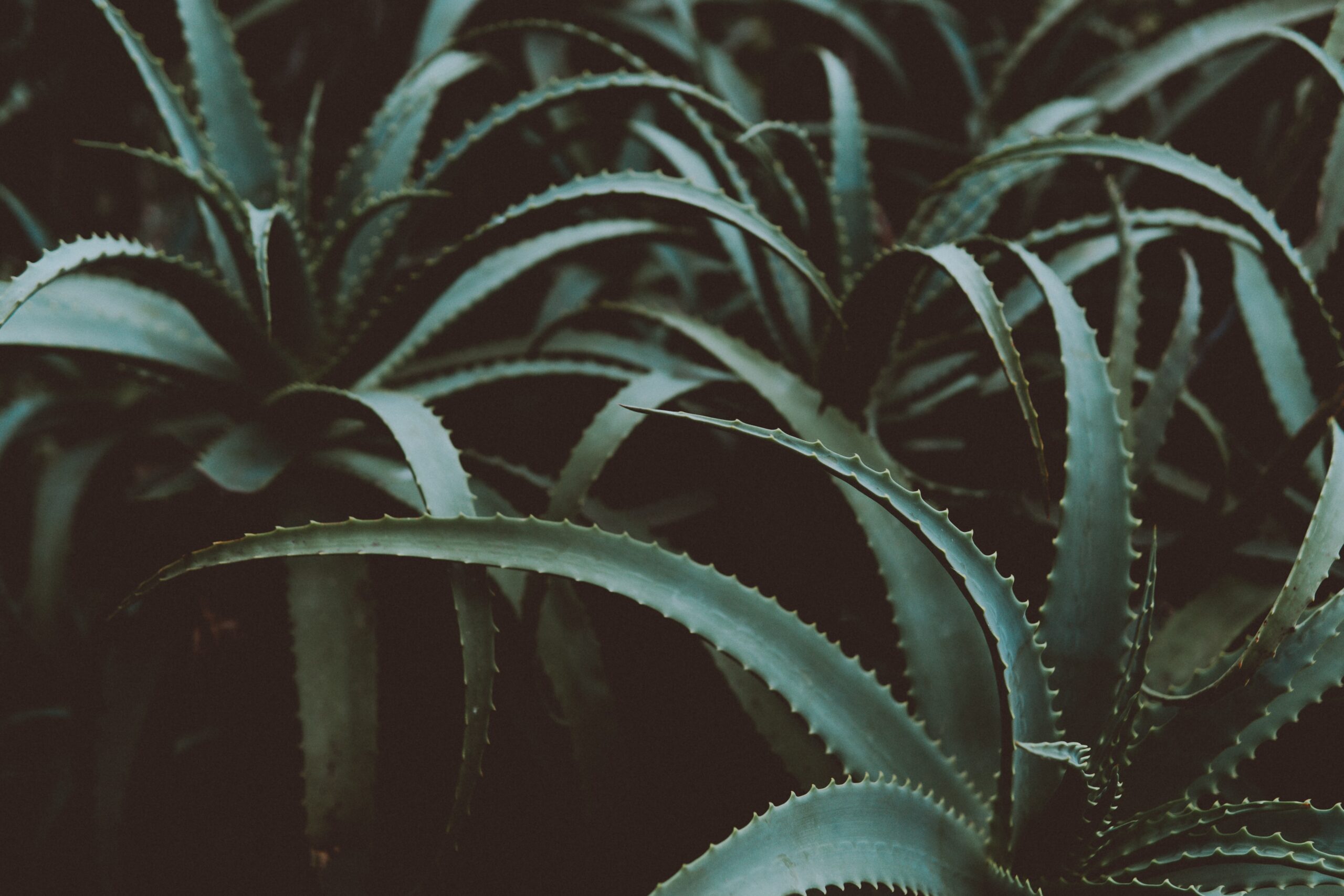
Growing up in the Eastern Cape, before I was exposed to big cosmetic brands and and even sunscreen, I knew how to protect my skin using a natural ingredient that was always available at home “Imbola” otherwise known as red ochre. As a child whenever I got a cut or burn, or any skin irritation, my grandmother who was a professional nurse for many years would not reach for her “western medicine first aid kit but rather go to the garden to cut from her aloe plant for my ailments.
These memories also flooded back as I watched young Xhosa girls with dots in beautiful patterns made with yellow ochre, beautifying their faces during traditional ceremonies what is called “Umchokozo” in the Xhosa culture, or admiring the beautiful mehndi patterns on a Hindu bride, I understand why beauty and cosmetic enthusiasts are going back to the roots and stripping back their ingredients from harmful synthetic substances to natural, clean organic ingredients that have been used till the test of time.
I took a closer look at my very own favourite organic beauty and and skin ingredients which are easily accessible, safe when used correctly and moderately and most importantly a part of my heritage as a South African woman.
- IMBOLA: Red ochre burnt, pounded, and mixed into a paste is used by both men and and women in the Xhosa culture to beautify and and protect their skin. It is used to treat facial skin imperfections and acne and as a sunscreen. It refines skin texture and reduces wrinkles to reveal a more youthful and brighter complexion.
- ALOE VERA: There’s more than one kind of aloe, with an estimated 420 different species. The most used form for skin conditions is a plant called aloe barbadense Miller. Aloe vera gel has many beneficial uses for skin care including soothing, anti-ageing and moisturising properties. It helps soothe sunburn. Aloe Vera gel has cooling properties and is anti-inflammatory. It is also good to lighten blemishes on the face.
- ROOIBOS: South African herbal tea, rooibos (Aspalathus linearis), also known as red bush, has been commercially produced since 2009 and is hugely popular across the globe. The recorded history stems back 300 years ago when the Rooibos plant was noted by European Explores as being used by the native Khoisan people. Not only is this indigenous South African plant a super antioxidant which is important to skin self-repair. Alpha Hydroxy acid found in Rooibos tea is a popular recipe in derma logical cosmetics such as skin peels. As a result, using rooibos tea in your skincare routine can help with a more youthful appearance of your skin. Rooibos is also free of caffeine and taken as a tea has a calming effect and has been said to reduce stress. Reduced stress leads to more restful sleep and it’s no secret, that sufficient sleep has beauty benefits.
You know what else is definitely no longer a secret? Beauty is our heritage, our ancestral gift.
Busisiwe Nxele is a seasoned journalist with over 15 years of experience working in radio broadcasting. Busi’s passions include beauty, health, style & skincare which she has turned into a business by launching her own skincare range, Butter Skin. ( Instagram or Brand)






Leave a Reply