
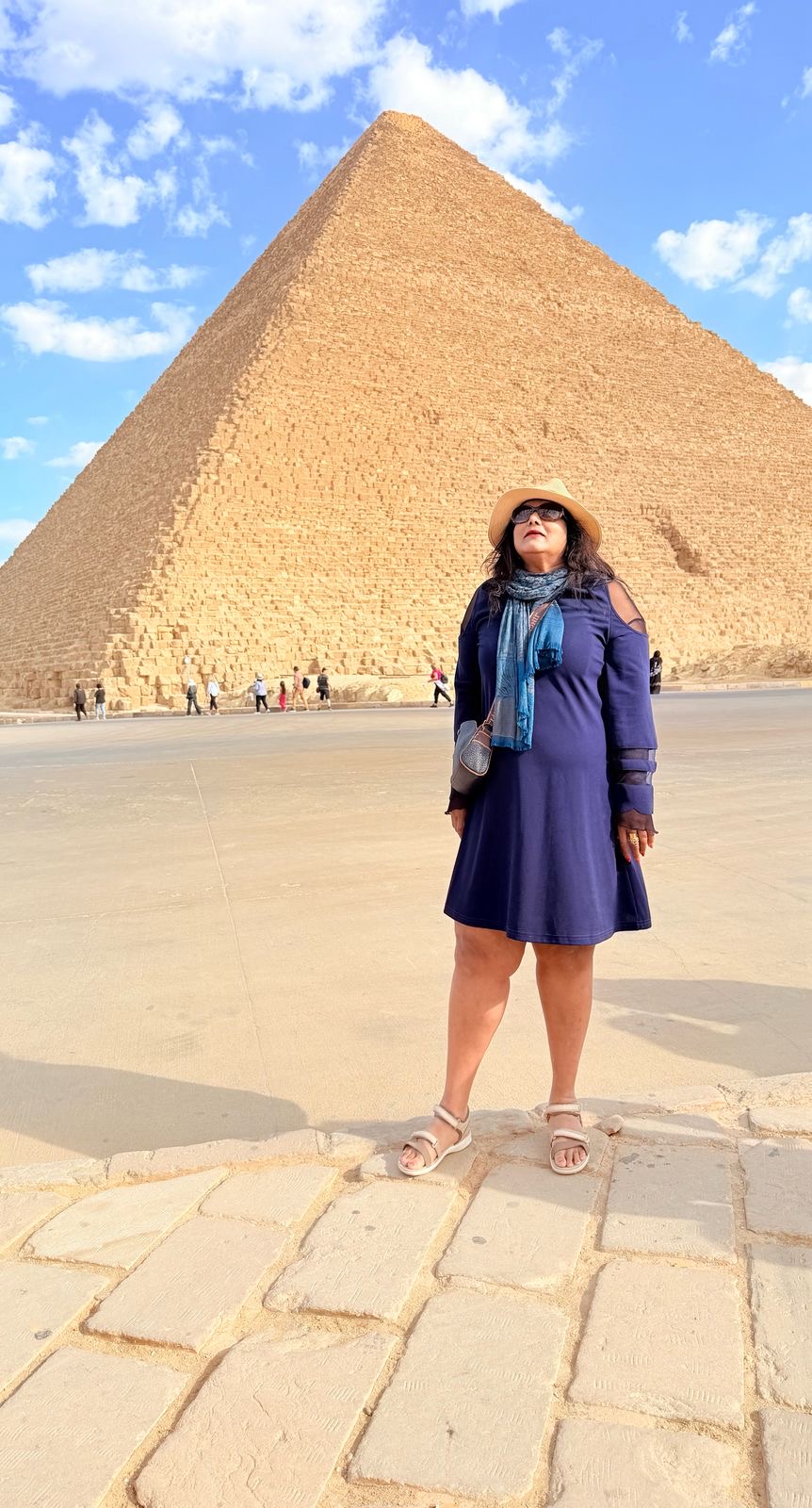
Strong leadership is not about titles. It is about responsibility.
For Janet Pillai, Chief Operating Officer of Inuversal Group, leadership has always been about stewardship. After working across academia, government, heritage, tourism and private enterprise, she believes leaders are entrusted with something bigger than themselves.
“Whether you are shaping policy, preserving culture or building a business, you are responsible for people’s futures, shared history and opportunities,” she says.
Across these sectors, Pillai says three principles consistently guide effective leadership: clarity of purpose, long-term thinking and people-first decision making.
Leadership Happens Behind the Scenes
While executive roles are often associated with visibility, Pillai says much of leadership happens quietly.
“Operations is the space between vision and reality,” she explains.
A strategy may look powerful on paper, but without the systems and people to support it, it remains an idea.
Her work often involves asking difficult questions before problems arise.
Will this scale?
Is it financially sustainable?
Are we compliant?
Do we have the right people in place?
“Often the best leadership work is invisible. The crisis avoided, the risk mitigated or the conflict resolved before it damages culture.”
The Hard Decisions Define Leaders
One of the toughest moments in Pillai’s leadership journey involved choosing long-term organisational stability over short-term comfort.
Strengthening governance and accountability meant disrupting relationships built over time.
“It would have been easier to delay or soften the decision,” she says. “But leadership sometimes requires protecting the future rather than preserving the present.”
From that experience, she learned three lessons: clarity is kindness, leadership is about responsibility rather than popularity, and courage grows with every difficult decision.
Authority and Authenticity
Women in leadership are often expected to balance strength with approachability.
Pillai says she once believed authority needed to be softened, but experience taught her otherwise.
“Authority does not come from tone alone. It comes from clarity,” she says.
When leaders are anchored in their values, they do not need to perform strength.
Empathy and decisiveness can exist together. Leaders can listen deeply and still make the final call.
Developing Future Leaders
Mentorship is central to Pillai’s leadership philosophy.
“Organisations do not grow. People do,” she says.
She believes leadership that fails to develop others becomes fragile.
“Strategy without succession is ego. If everything depends on you, you are not leading. You are centralising.”
Mentorship, she says, involves stretching people beyond their comfort zones and exposing them to opportunities they may not yet feel ready for.
What Legacy Really Means
For Pillai, legacy is not about titles or recognition.
Instead, she measures it through three questions.
Did the organisation become stronger?
Did people grow into leaders themselves?
Did I remain principled under pressure?
“Legacy is not about being remembered as powerful,” she says.
“It is about being remembered as steady, just and courageous.”




Leave a Reply