
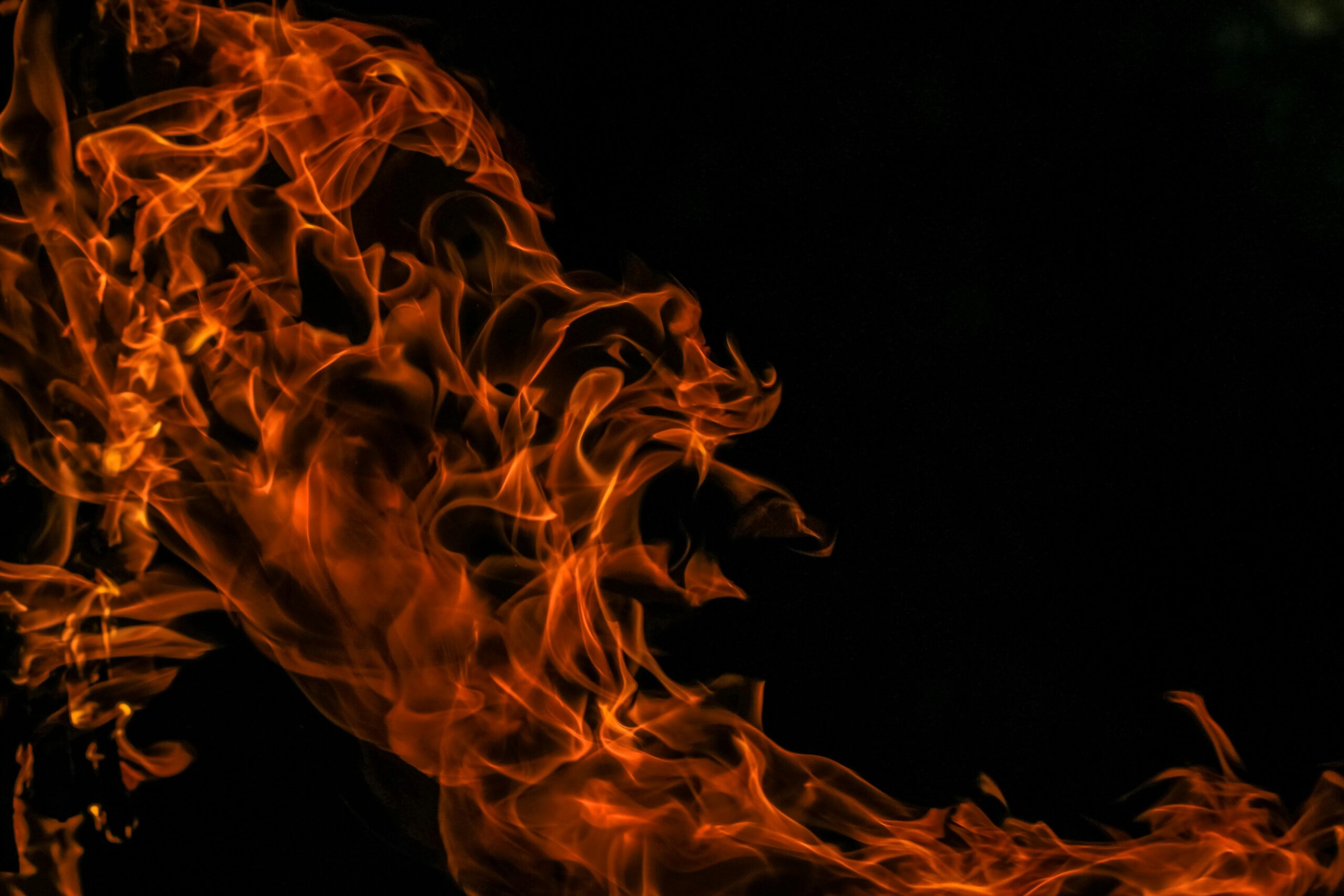
Wildfires continue to burn across parts of the Kouga region, with firefighters, disaster teams, and volunteers working around the clock to contain multiple blazes as hot, windy conditions fuel the spread.
Areas around Jeffreys Bay, Humansdorp, St Francis Bay, Oyster Bay and Hankey have been affected, with evacuations ordered in some zones and roads temporarily closed as flames moved close to homes, farms, and holiday accommodation. Thick smoke has also reduced visibility on key routes, leaving residents and travellers on edge.
For many in the wider Nelson Mandela Bay and Kouga communities, the fires are a reminder of how quickly conditions can change during peak summer and how interconnected the region really is.
What’s happening on the ground
Emergency services have confirmed that several fires are burning at the same time, making containment difficult. Strong winds and dry vegetation have added to the challenge, while crews continue to prioritise protecting lives, homes, and critical infrastructure.
Residents in affected areas have been urged to evacuate immediately when instructed, avoid fire zones, and rely only on official updates from local authorities and disaster management teams.
While the exact causes of all the fires are still under investigation, authorities have warned that even a single spark can lead to large-scale destruction under current conditions.
Why this matters to the Bay
Kouga is not just a holiday destination for Nelson Mandela Bay residents, it’s home to families, workers, farmers, and small businesses that form part of the broader Eastern Cape economy and social fabric. When fires hit Kouga, the ripple effects are felt well beyond municipal boundaries.
How you can help right now
Even if you are not in the affected areas, there are meaningful ways to support those dealing with the fires:
Stay informed and share verified information
Avoid spreading rumours or outdated posts. Share updates only from official municipal pages, emergency services, and trusted local news platforms.
Report fires immediately
If you see smoke, open flames, or suspicious activity, report it to local emergency services as soon as possible. Early reporting can prevent a small fire from becoming unmanageable.
Support relief efforts
Local organisations and community groups are coordinating support for displaced residents and exhausted firefighting crews. Donations of water, food, protective gear, and funds to recognised relief initiatives can make a real difference.
Do not travel into fire-affected areas
Well-meaning visits can slow emergency response. Roads need to remain clear for firefighting vehicles and evacuation efforts.
Reduce fire risk at home
Clear dry vegetation, avoid open flames, and follow fire safety guidelines, especially while hot and windy conditions persist across the region.
As firefighting efforts continue, communities are urged to remain alert, patient, and supportive. The situation is evolving, and cooperation from the public remains critical in protecting lives and limiting damage.






Leave a Reply