
By Hlumisa Mde
It’s no secret that young people face difficulty securing a job in a stagnant South African economy. Youth unemployment skyrocketed by thirteen per cent over a decade (from 50.3% in 2015 to 62.4% in 2025).
The situation is especially dire in provinces like the Eastern Cape, where more than half of young people remain without work, and only 40% are active participants in the labour market.
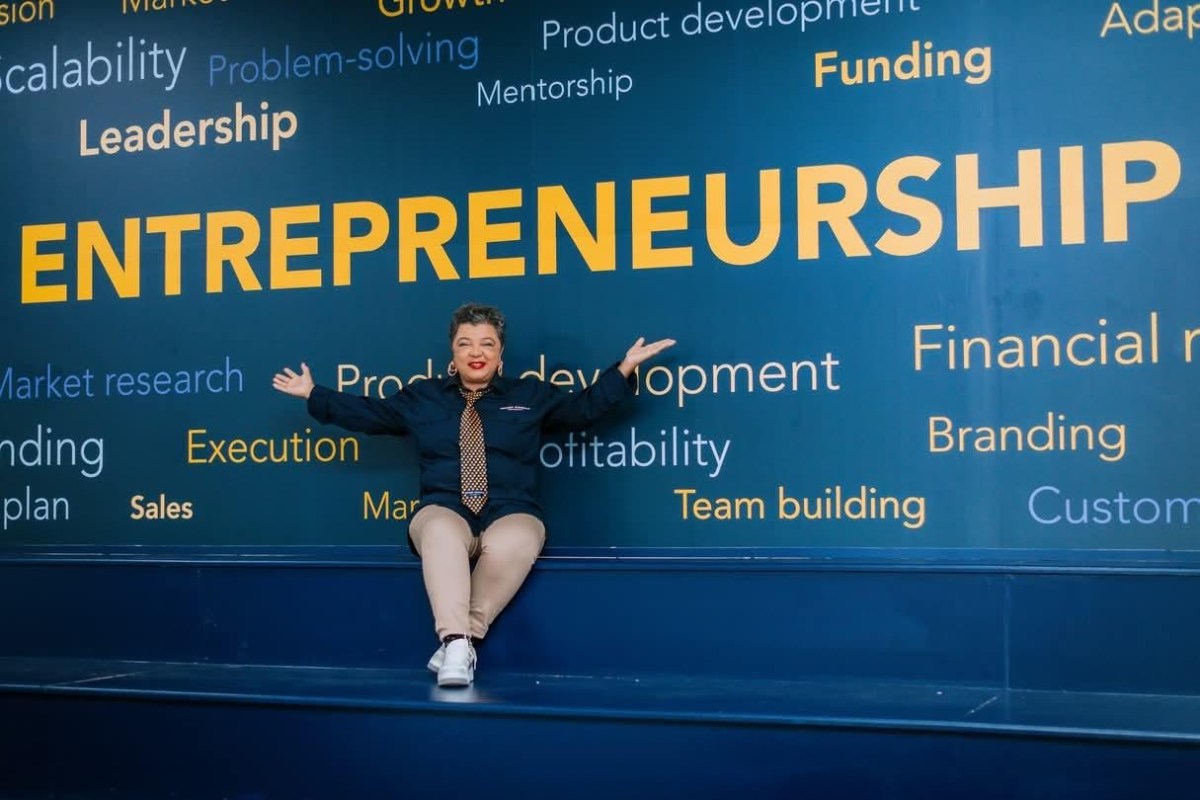
As bad as it seems, there are seeds of hope. Aptly named, the SEED (Student Employability and Entrepreneurship Development) programme at Nelson Mandela University is helping young people build their future through entrepreneurship.
What is SEED?
Headed by Karen Snyman, SEED is a funded project under the University Capacity Development Programme. SEED aims to address youth unemployment by tackling not just the lack of jobs, but also the critical mismatch between qualifications and market needs.
“The bigger concern is rising graduate unemployment,” explains Snyman.
“Many graduates hold degrees in fields with limited job prospects, with employers demanding experience, which most graduates lack.”
In response, SEED provides students with tools, mentorship, and entrepreneurial skills to launch their own businesses – transforming them from job seekers to job creators.
The programme offers workshops, coaching, and access to the Nelson Mandela University Africa Hub, an environment designed to encourage student innovation. Students are guided on business compliance, marketing, budgeting, and how to balance academics with business responsibilities, a common challenge among young entrepreneurs.
From SEED to Success
One of SEED’s biggest success stories is Winston Letwaba, an accounting student from Nelson Mandela University and founder of the Advanced Academy of Excellence, which is an enterprise offering the service of tutoring for learners from Grade 3 to 12, led by university students in Medicine, Engineering, Accounting and others.
“I started as a SEED mentee,” Winston shares. “Then I became Mentee of the Year, and later, Mentor of the Year. Now, I am incubated under Nelson Mandela University’s Centre for Rapid Entrepreneurship Incubator (SeaFairy).”
Advanced Academy of Excellence’s strong selling point is its focus on pairing learners with mentors who are already pursuing the career they dream of.
“We combine tutoring with career guidance. If someone wants to become a doctor, we pair them with a medical student. We help them see the path ahead,” explained Winston.
Through pitch competitions and SEED’s support, Winston has raised over R160,000 in funding:
- R100 000 from the NMU incubator
- R50,000 from the Township Entrepreneurship Alliance
- $500 from the US Embassy
- $2 500 from EDHE (Entrepreneurship Development in Higher Education)
He has also been featured in the local and national media and represented both Mandela University and the Eastern Cape at national entrepreneurship competitions.
The need for entrepreneurship
With decreasing formal employment options, entrepreneurship offers an alternative path.
“Given South Africa’s economic challenges, self-employment is increasingly seen as a viable and necessary pathway… it encourages innovation, independence, and adaptability, all of which are essential today,” said Snyman.
However, she is not blind to the challenges of entrepreneurship, noting that real-world exposure is an obstacle for many who opt for this path. “Balancing studies with running a business is tough. But we offer support to help them navigate it,” says Snyman.
Skills that matter
SEED empowers students by building key skills like:
- Resilience: Bouncing back from failure
- Creative problem-solving: Finding and solving real-world issues
- Digital literacy: Competing in a tech-driven world
- Communication and networking: Building business relationships
- Financial literacy: Managing money and sustainability
Are universities doing enough?
While universities are starting to open up to the idea of providing essential support for students, equipping them for post-uni life, much work remains to be done.
“We need to prepare students for life after graduation. Not just issuing degrees, but helping them gain real-world experience, entrepreneurship training, and exposure to different career paths,” said Snyman.
While SEED is making a real impact, she encourages more institutions to invest in similar programmes. She says students and young people should not wait for the perfect moment and business conditions, but start now: “Start with what you have – your time, skills, and network. Talk to others. Find a mentor. Join campus initiatives like SEED.”
Entrepreneurship is not easy, but it is a journey worth embarking on if one is rooted in identifying a problem, solving it, and turning it into a sustainable business.
With South African youth battered by joblessness, students like Winston are proof that with the right support, passion, and mindset, young people can lead the way forward.
Programmes like SEED are not just planting businesses, they are planting futures.
Read more: https://khulani.me/





Leave a Reply