
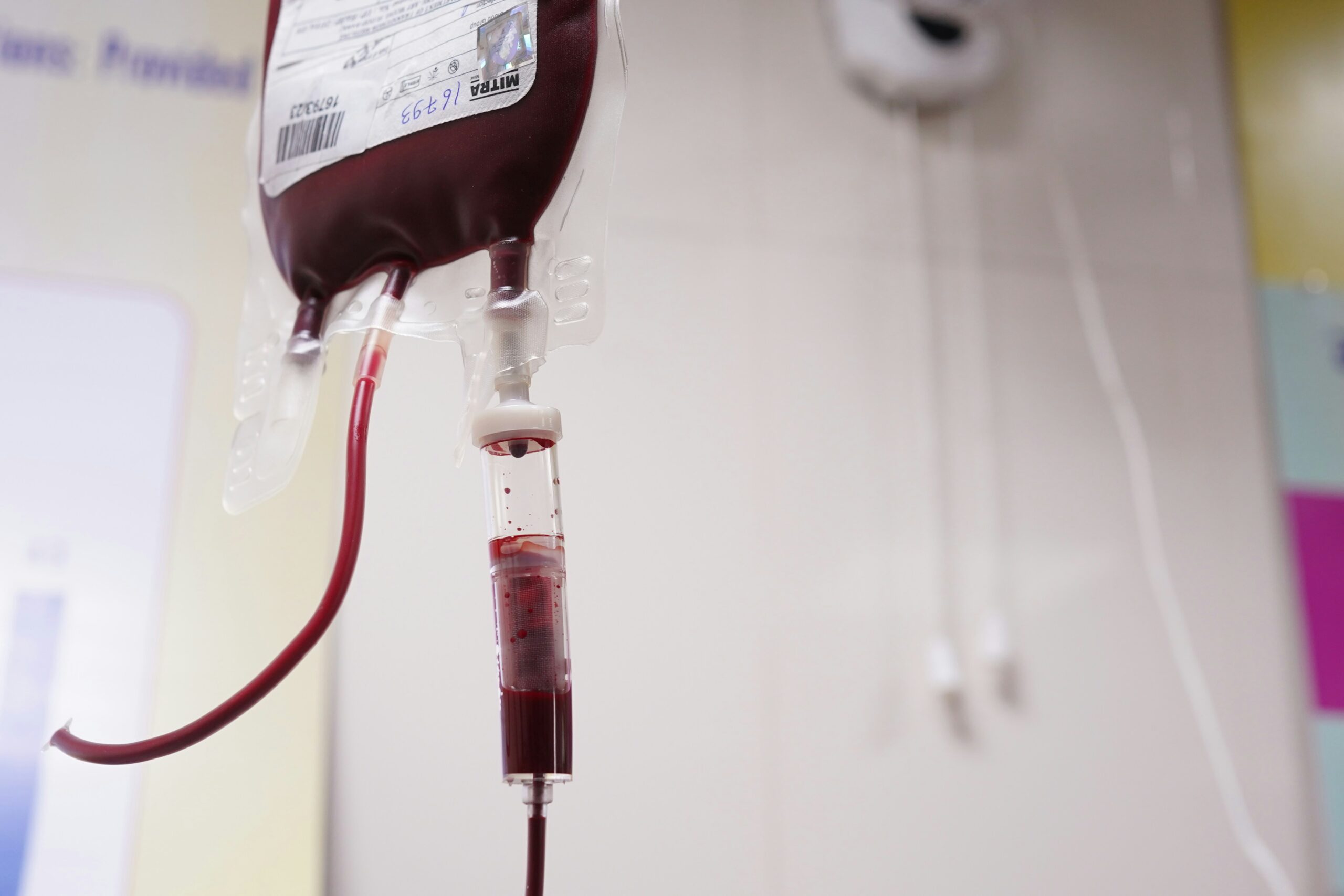
Every day, someone in South Africa needs blood to survive.
It could be a mother experiencing complications during childbirth, a cancer patient undergoing treatment, a premature baby fighting for their life, or a victim rushed into surgery after a serious accident.
The challenge is that blood cannot be manufactured. It can only come from people willing to donate.
As South Africa marks National Blood Donation Month this June, healthcare experts are encouraging more people to become regular donors and help ensure that life-saving blood is available when it is needed most.
According to the South African National Blood Service (SANBS), approximately 3,500 units of blood are required every day to meet patient demand. Yet only one in every 140 South Africans donates blood regularly.
That means a small group of donors is helping to support thousands of patients who rely on blood transfusions every day.
More Than Just Emergencies
While many people associate blood donations with major accidents, blood is needed for a wide range of medical treatments and procedures.
Cancer patients, mothers experiencing childbirth complications, premature babies, people undergoing surgery and individuals living with blood disorders all depend on donated blood products.
Lance Blumeris, Head of Unu Health, says many South Africans assume blood will always be available when they need it.
“Many people assume blood will be available when they need it, but the reality is that blood supplies depend entirely on ordinary South Africans making the decision to donate,” says Blumeris.
“If more people don’t step forward, there is a very real risk that shortages could impact patients whose lives depend on blood being available at the right place and the right time.”
One Donation, Three Lives
One blood donation can save up to three lives.
That’s because donated blood is separated into red blood cells, plasma and platelets, allowing different components to be used for different patients.
Blood also has a limited shelf life. Red blood cells can only be stored for around 42 days, which means blood banks need a steady supply of new donations throughout the year.
Winter often places additional pressure on blood stocks as fewer people donate while demand remains constant.
Could You Be Someone’s Lifeline?
The World Health Organization considers a stable blood supply one of the foundations of a strong healthcare system. Without enough donors, hospitals can face challenges during emergencies and periods of increased demand.
For Blumeris, the message is simple.
“Every blood donor has the potential to save multiple lives,” he says.
“We often hear stories of people who donate because a loved one once needed blood. The reality is that none of us know when we or someone we care about may need a transfusion. Donating blood is one of the most direct and immediate ways we can help save lives within our communities.”
As National Blood Donation Month shines a spotlight on the importance of giving blood, healthcare professionals are encouraging eligible South Africans to consider becoming regular donors.
After all, a single donation could be the reason someone gets a second chance at life.
For more information about donating blood, visit SANBS or speak to your nearest blood donation clinic.






Leave a Reply