
By Robin Meyers
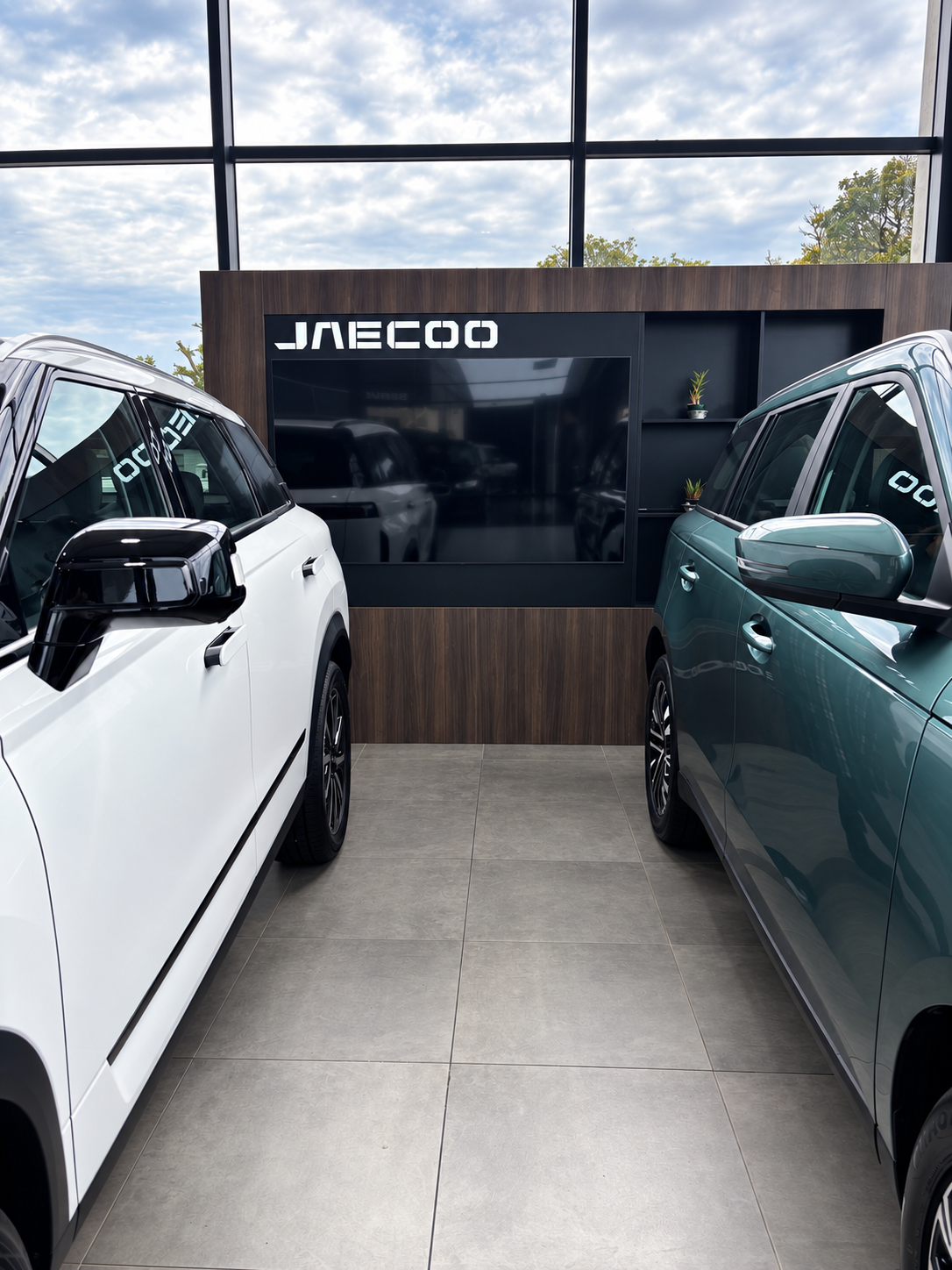
I was recently invited to a JAECOO launch, where two vehicles sitting side by side got me thinking about a question more drivers are going to face: what is the difference between a hybrid electric vehicle and an electric vehicle, and which one would actually suit your life?
The answer is less about which technology sounds more impressive and more about where you drive, how you refuel or charge, and what you are comfortable planning around.
What is a hybrid electric vehicle?
A hybrid electric vehicle, or HEV, still uses a petrol or diesel engine, but it is also equipped with an electric motor and a battery. In other words, you get the best of both worlds: the traditional combustion engine and a modern electric motor.
An HEV uses regenerative braking to help charge its battery. Put simply, it recovers some of the energy that would otherwise be lost when you slow down. The engine can also help charge the battery. You do not need to plug a conventional HEV in.
You still stop for fuel, but the electric system can help the engine use less of it. How much difference that makes will depend on the vehicle and the way you drive. A hybrid also carries the additional components of its electric system, including a battery, so it may be heavier than a comparable conventional vehicle.
For a driver who wants better fuel efficiency without changing their usual refuelling routine, that is an appealing arrangement.
What is an electric vehicle?
An electric vehicle, or EV, uses a battery pack to power its motor. There is no petrol or diesel engine waiting to take over when the battery gets low. You charge it using suitable equipment at home or at a public charging station. Depending on the vehicle and your home setup, that may mean a dedicated home charger or an appropriate electrical outlet.
That also means no standing in queues for petrol every time the price goes up. I can see the appeal.
The trade-off is that charging becomes part of your routine. If you can reliably charge at home and most of your trips are predictable, that may be easy to manage. If you regularly travel long distances, you need to think about where you will charge along the way and how long those stops might take.
Where does a plug-in hybrid fit?
There is a third option that can make the terminology confusing: the plug-in hybrid electric vehicle, or PHEV.
Like an HEV, it has both a combustion engine and an electric motor. Unlike a conventional HEV, you can plug it in to charge its larger battery. It can generally cover more distance on electricity alone than a conventional hybrid before relying on its engine.
So, when someone says a car is a “hybrid”, it is worth asking which kind. Whether you need to plug it in is a fairly important detail to discover before you take it home.
Which should you choose?
If you want the familiarity of filling up at a petrol station, regularly take longer trips, or cannot reliably charge where you park, an HEV may be the easier change.
If you have a practical place to charge, know what your regular journeys look like and are happy to plan charging stops for longer drives, an EV may suit you well.
Neither answer comes from a badge on the back of a car. Before buying, I would look at my actual weekly driving, where I park overnight, the routes I take most often and the total cost of owning the specific models I am considering.
The launch was a good reminder that electric motoring is no longer one single choice. The useful question is not simply whether you are ready for an electric car. It is how much of your driving routine you want to change.






Leave a Reply