
By LELETHU ZONDANI
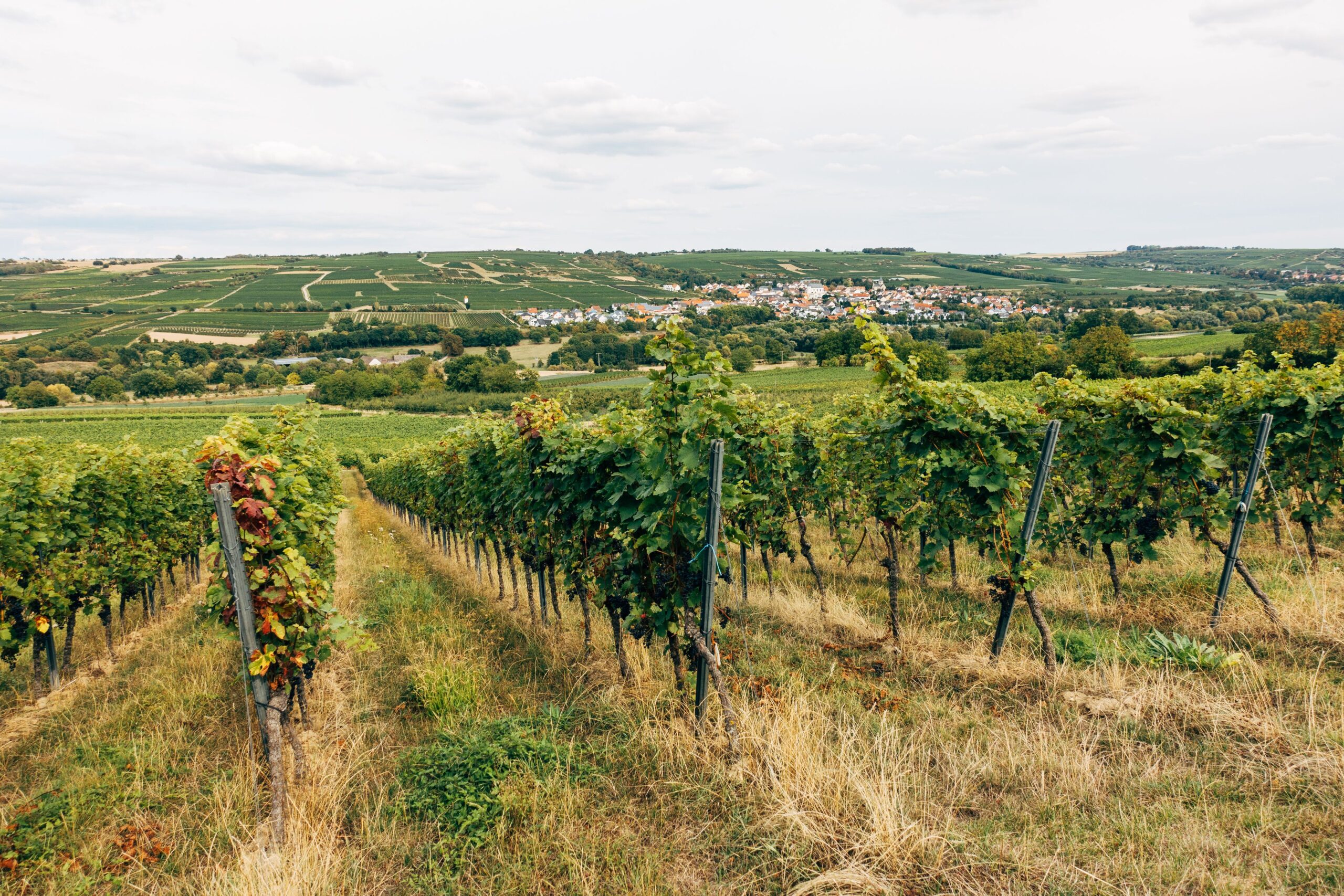
South Africa’s wine industry may have enjoyed a bigger harvest this year, but with extreme weather becoming an increasingly familiar challenge, what does the future hold for our vineyards? Lelethu Zondani takes a closer look at the impact of rising temperatures on winemaking, what it means for the wines we enjoy and why there’s more to a successful harvest than simply producing more grapes.
There is something about a South African summer that makes a chilled glass of wine feel less like a luxury and more like a perfectly reasonable survival strategy. But while we reach for the ice bucket, spare a thought for the people working in the vineyards. For winemakers, extreme heat is not simply a reason to turn the air conditioner up. It can change the way grapes ripen, influence the style of wine produced and ultimately affect what ends up in our glasses.
The South African wine industry has welcomed an increase in grape production this year, with the harvest rising to 1.37 million tonnes from 1.24 million tonnes last year. That is encouraging news, particularly after the damage caused by the May floods. On paper, things look promising. However, a larger harvest does not automatically translate into an easier year for the industry.
Between the pressure to keep wine affordable, the need to protect its value and the impact of increasingly extreme weather, there is plenty to think about before we declare victory and pop the cork.
How Will the Heatwave Affect South Africa’s Wine Harvest?
During periods of extreme heat, grapes can ripen more quickly, meaning winemakers may have a much shorter window in which to harvest fruit at the desired level of maturity. This can put pressure on vineyard teams and cellar capacity, particularly when several grape varieties are ready to be picked at the same time.
South Africa’s 2026 harvest report from Vinpro highlights just how real these challenges can be. Intense heat in March accelerated ripening, contributed to berry dehydration and helped bring the harvest to completion almost two weeks earlier than usual. Despite these challenges, the report noted encouraging quality indicators in several varieties.
This is an important distinction: extreme heat does not automatically mean a poor vintage, but it can make producing balanced, high-quality wine more difficult.
Heat can also accelerate sugar accumulation, contribute to acidity loss and affect the development of desirable aromas and flavours. If grapes become overripe or dehydrated, winemakers may find themselves balancing higher potential alcohol with the freshness and structure that make a wine enjoyable.
In other words, Mother Nature can give winemakers beautifully concentrated fruit one minute and a very complicated spreadsheet the next.
The challenge is knowing when to pick. Harvest too early, and the grapes may lack flavour development. Harvest too late, and the fruit may lose freshness or become overly ripe. In a heatwave, that decision can become particularly time-sensitive.
What Wines Should You Drink During a Heatwave?
When the temperature rises, I reach for wines with refreshing acidity and a lighter feel.
Jordan Assyrtiko
Jordan Wine Estate makes a wonderful South African interpretation of this Greek variety, with citrus notes and vibrant acidity. It is a lovely option for warm-weather dining.
Sauvignon Blanc and chilled MCC are also excellent choices. If you prefer to avoid alcohol, explore non-alcoholic sparkling wines for daytime occasions.
Lower-alcohol wines may be appealing in hot weather, but remember that water remains the best choice for hydration.
The Future of South African Wine
A bigger harvest is encouraging, but the industry must continue adapting to extreme weather while protecting the value of its wines. Innovation, thoughtful vineyard management and exploring suitable grape varieties will be important as conditions change.
For now, I will be keeping an eye on what the next vintage brings. And when the heatwave hits, find some shade, pour something chilled and keep the water close by. Our winemakers have enough to worry about without us forgetting to hydrate!






Leave a Reply