
Every December, the same ritual unfolds. Johannesburg thins out, the N2 thickens, and the Eastern Cape braces for its annual summer migration. Roof racks are packed tight, beach houses are booked months in advance, and families arrive chasing warm water, long days and a slower rhythm.
But this year, there is another movement worth paying attention to, one that has nothing to do with Gauteng traffic and everything to do with what is happening just offshore.
Southern right whales are calving in Algoa Bay, their vast bodies breaking the surface close enough to shore to draw crowds along the beachfront. Further out, great white sharks patrol nutrient-rich waters. Bottlenose dolphins move in super pods, while African penguins waddle across beaches that double as breeding grounds.
This is Big 7 territory, and increasingly it is becoming the backbone of a new kind of Eastern Cape tourism story.
While much of South Africa’s wildlife narrative has long centred on the Big 5, the Eastern Cape quietly offers something more expansive. All five terrestrial species are anchored by Addo Elephant National Park, plus two marine giants that turn the coastline into a year-round wildlife destination. Within the span of a single day, visitors can move from tracking elephants, lions and buffalo inland to scanning the horizon for whales and sharks at sea.
It is a geographic advantage few regions can match, and one that is beginning to reshape how travellers experience the province.
A tourism ecosystem, not a checklist
What is changing is not the wildlife. That has always been world class. What is evolving is the ecosystem around it.
Marine safaris have grown into experiences that rival traditional game drives, with whale watching, shark cage diving and dolphin encounters now sitting alongside bush excursions as must-do activities. The thrill of a great white rising through the water or a southern right whale rolling next to a boat carries the same weight as spotting a leopard in the wild.
At the same time, conservation bodies and tourism operators are placing increasing emphasis on sustainability and community involvement. SANParks’ partnership with Red Sea Global on an SMME Incubation Programme is one example, supporting 20 local enterprises over 18 months and creating pathways for entrepreneurs to build tourism businesses rooted in their own communities.
For visitors, this means experiences that feel connected rather than extractive, where wildlife encounters, local food, small businesses and conservation efforts intersect in tangible ways.
Gqeberha as the base camp
As these experiences diversify, Gqeberha is emerging as a natural hub. Not just a stopover, but a base.
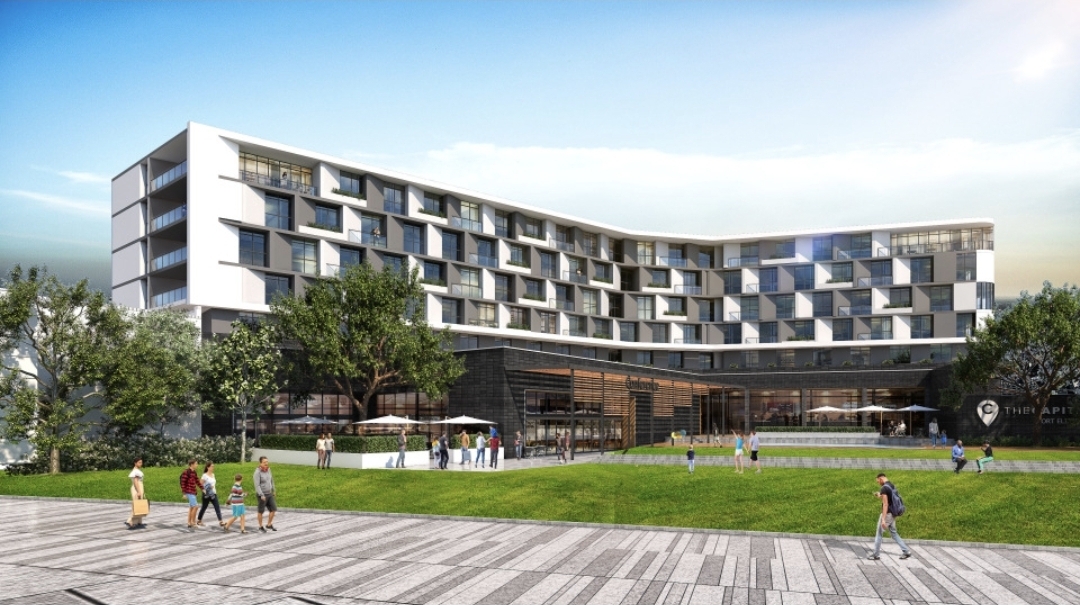
New developments along the beachfront precinct are beginning to reflect the needs of modern travellers who want flexibility, comfort and proximity to both bush and ocean. Set to open in April 2026, The Capital Boardwalk is one such project, positioning itself as a long-stay option for visitors exploring the broader Big 7 region.
With 145 units ranging from studios to multi-bedroom apartments, alongside on-site dining, gym facilities and family-friendly leisure spaces, the development reflects a growing demand for accommodation that supports longer, more immersive stays rather than quick overnights.
Location is key. From the Boardwalk precinct, marine safari departure points are minutes away, Addo’s gates are roughly an hour’s drive, and the city’s urban amenities sit right on the doorstep. Instead of juggling multiple bases or compromising on distance, visitors are increasingly able to experience the region from a single, well-positioned home.
Timing that matters
The momentum could not be better timed. Domestic tourism has remained strong post-pandemic, while international markets, particularly Europe and the United States, are showing renewed interest in destinations that offer classic safari experiences with something extra.
The Eastern Cape’s Big 7 narrative, paired with its growing reputation for sustainable and community-linked tourism, positions the province as a compelling alternative to more saturated safari circuits.
Over the next year, that potential is expected to translate into visible change. Graduates of local incubation programmes will begin launching businesses. International partnerships will bring eco-conscious travellers into the region. New accommodation will absorb extended stays and family travel, a sign not of passing traffic, but of real destination confidence.
The December migration will still happen. Cars will still crawl along the N2, and beach umbrellas will still dot the shoreline. But what awaits travellers on arrival is increasingly different. An Eastern Cape that is learning how to turn its natural advantages into a cohesive, sustainable tourism offering, one where the Big 7 is not just a slogan, but the foundation of an ecosystem that works for wildlife, communities and the people who come to experience it.



Leave a Reply