
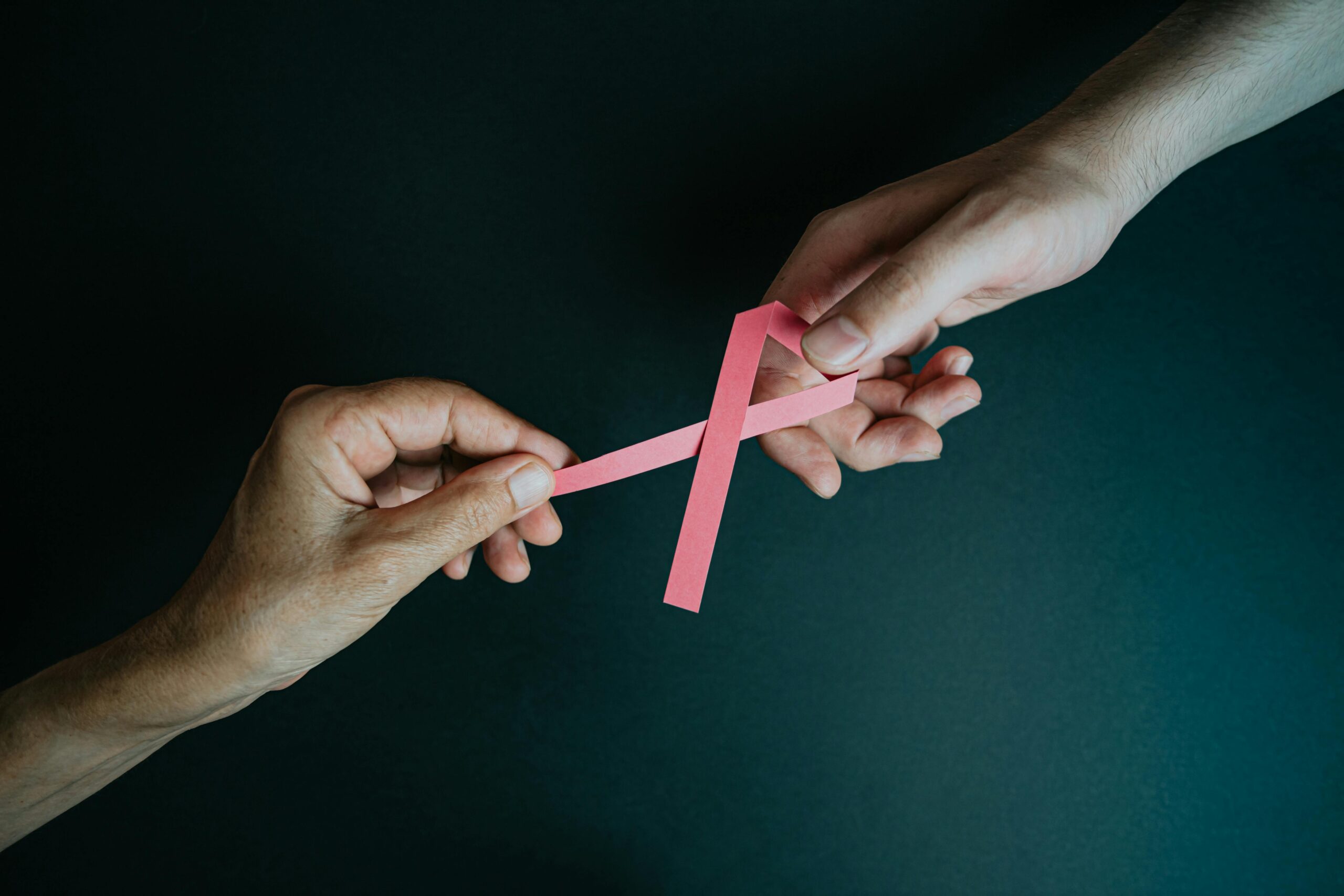
October is Breast Cancer Awareness Month, and while the pink ribbons and fundraisers are everywhere, what truly saves lives is awareness. Knowing your own body. Noticing changes early. And getting checked, even if you think it couldn’t happen to you.
Breast cancer is one of the most common cancers in South Africa, but also one of the most treatable when detected early. And yes, it’s not just a women’s issue. Men can get breast cancer too. It’s rare, but it happens, and the signs are often ignored until it’s advanced.
What to Look Out For
Breast cancer can show up in different ways for different people. Keep an eye out for:
- A lump or thickened area in your breast or underarm that doesn’t go away
- Any change in breast size, shape, or texture
- Skin changes like dimpling, redness, or an orange-peel look
- Unusual nipple discharge, especially if it’s bloody
- Persistent pain in one part of the breast
- Changes to the nipple, like inversion or flaking skin
These symptoms don’t automatically mean cancer, but they do mean it’s time to visit your clinic, GP, or healthcare provider.
Real Talk: Early Action Saves Lives
Many people delay getting checked because it’s probably nothing or it doesn’t hurt. But breast cancer often doesn’t hurt at first. The earlier it’s found, the more treatment options there are and the better the chances of recovery.
That goes for everyone—women, men, young people, older people. Awareness has no gender or age limit.
Early Detection = Hope
According to the World Health Organization, when breast cancer is detected early and treated effectively, survival rates can be as high as 90 percent. Locally, organisations like the Cancer Association of South Africa (CANSA) and PinkDrive continue to stress the importance of regular screenings and self-exams, as many South Africans are still diagnosed too late for the best outcomes.
Here’s how you can take charge:
- Do a monthly self-exam and feel for any new lumps or changes
- Know your family history and talk about it openly
- Get regular check-ups—if you’re over 40, schedule a mammogram once a year (or sooner if advised)
- Don’t dismiss unusual changes—get them checked, even if they seem minor
The Bottom Line
Breast Cancer Awareness Month isn’t just about pink ribbons. It’s about staying informed, being proactive, and looking out for yourself and your loved ones.
So this October, and every month after, check yourself, encourage others to do the same, and don’t be afraid to start the conversation.
Because awareness doesn’t just save lives. It gives them back.





Leave a Reply