
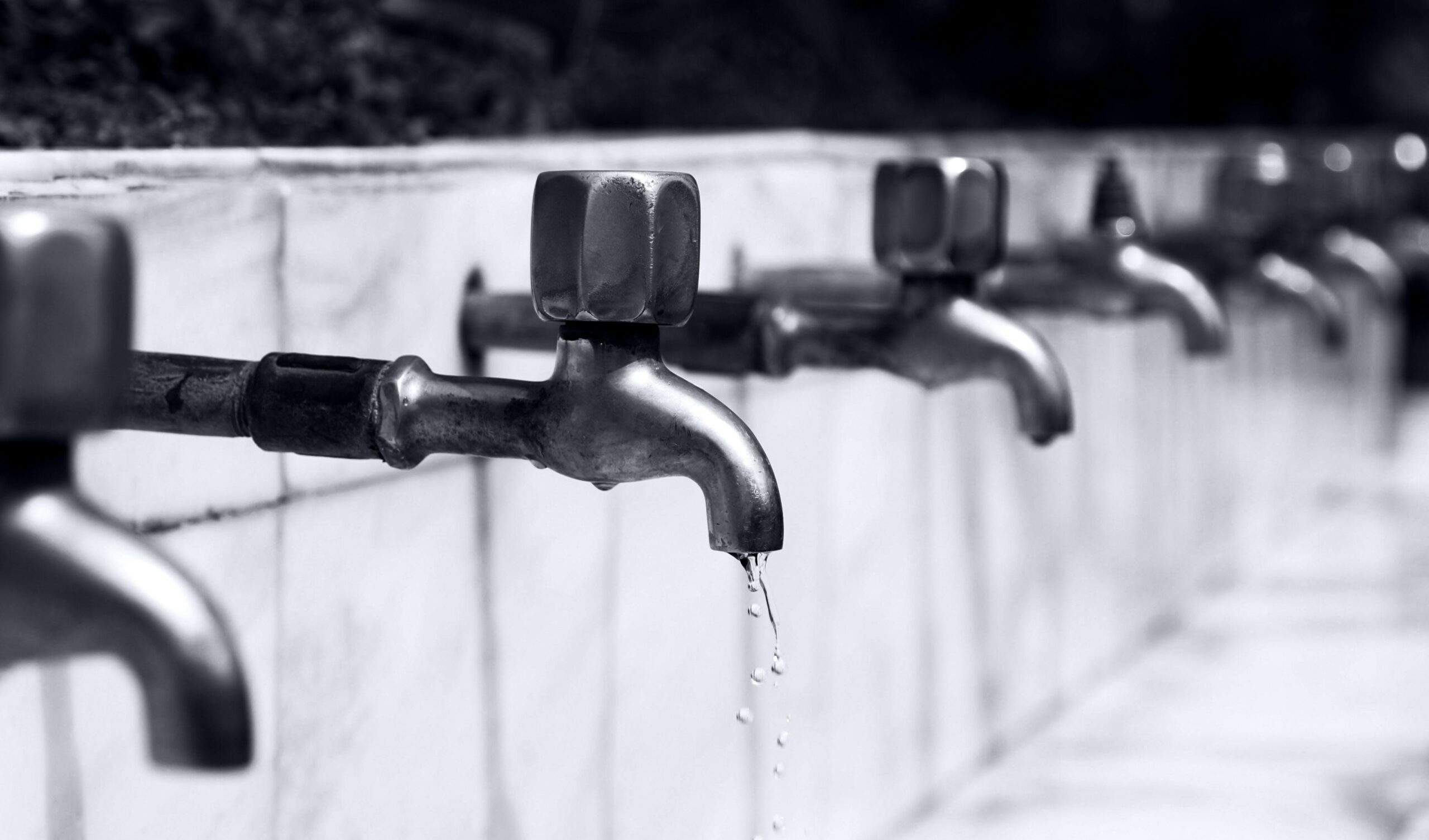
South Africa has officially declared the ongoing drought in the Eastern Cape a national disaster, highlighting the seriousness of the water crisis affecting Nelson Mandela Bay.
The classification, made by the National Disaster Management Centre in February in terms of the Disaster Management Act, allows national government to step in and support local municipalities facing severe water shortages.
For Nelson Mandela Bay, the announcement comes at a critical time.
Dam Levels Are Near a Key Threshold
As of 16 March 2026, the combined dam levels supplying the metro stood at 40.29 percent, dangerously close to the 40 percent threshold often seen as a warning point for water security.
Around 10 percent of dam capacity is considered dead storage, meaning that water cannot be extracted through normal systems. In practical terms, the usable water supply is already significantly lower than the official dam level figure.
To put the situation in perspective, at the same time last year the metro’s dams were sitting at 73.85 percent.
Impofu Dam Shows Major Decline
The metro’s largest dam, Impofu Dam, has dropped sharply over the past year.
In 2025 the dam was sitting at 55.86 percent, but it has now fallen to around 39 percent, largely due to below-average rainfall and ongoing drought conditions across the region.
Water Use Is Still Too High
Despite the worsening drought, water consumption in the metro remains above sustainable levels.
Nelson Mandela Bay is currently using around 373 million litres of water per day, which is about 93 million litres above the allocated limit.
Municipal officials say if water usage does not decrease urgently, the metro could face serious supply constraints — less than three years after the drought that nearly pushed the city to Day Zero.
What the Municipality Is Doing
The Nelson Mandela Bay Municipality has activated its Drought Mitigation Plan, which includes several emergency interventions aimed at stabilising supply.
These include:
- Upgrading infrastructure to maximise water from existing sources
- Expanding the Nooitgedagt Water Treatment Works
- Developing additional groundwater through wellfields
- Exploring treated effluent reuse and alternative supply options
- Repairing pipelines and improving pump stations
- Increasing leak detection and water pressure management
The metro says it has already invested more than R80 million this financial year into repairing infrastructure, rehabilitating pump stations and addressing leaks.
A Call for Residents to Reduce Water Use
Executive Mayor Babalwa Lobishe says infrastructure upgrades alone will not solve the crisis if consumption remains high.
She has called on residents, businesses and institutions across Nelson Mandela Bay to significantly reduce their water use and adopt water-saving habits.
According to the municipality, addressing the crisis will require collective action from government, businesses and the public to protect the metro’s remaining water resources.
If consumption levels do not drop and rainfall remains limited, Nelson Mandela Bay could once again face the kind of water pressure last seen during the Day Zero drought crisis.
For now, officials say reducing daily water use remains the fastest and most effective way to protect the metro’s supply.




Leave a Reply